dyslexia-3014152_1920-1200x800.jpg
01/Jan/2023

Do you have a child on the autism spectrum and are looking for ways to help them unlock their potential? If so, you’ve come to the right place. Believe it or not, natural treatments can make a tremendous difference when it comes to helping children with autism reach their full potential.
In this blog post, we’ll explore 10 naturopathic treatments that may provide relief from autism-related symptoms such as anxiety and social challenges. By arming yourself with knowledge about these therapies, you can find solutions tailored specifically to your child’s needs so that they can learn and grow into their best selves!

10 natural treatments for autism spectrum disorder.

Autism spectrum disorder (ASD) is a neurodevelopmental disorder characterized by difficulties with social interaction, communication, and repetitive behaviors. Some people with ASD also have sensory processing issues. Here are a number of natural treatments that can help improve the challenges associated with ASD.

1. Probiotics

Probiotics are beneficial bacteria that help support gut health. Research into probiotics and autism has revealed promising results.
In a randomized, double-blind study, children with ASD were given either active multi-strain probiotic or placebo for 12 weeks. The results demonstrated that the group taking the active probiotic had improved symptoms of autism such as increased social interaction, better communication, improved sleep habits and more positive mood.
Additionally, another study reported that when children with ASD were supplemented with specific strains of Bifidobacterium longum for four months, their symptoms associated with anxiety and depression were significantly reduced compared to those who took a placebo.
Moreover, in a study involving over 100 children with ASD and ADHD, researchers found that supplementation of Lactobacillus rhamnosus was effective in improving certain behaviors observed in these disorders. Taken together these studies demonstrate potential beneficial effects of supplementing probiotics in individuals with ASD.

2. Omega-3 fatty acids

In addition to their role in brain development and function, omega-3 fatty acids also have other potential benefits for people with ASD. Studies have shown that omega-3 supplements may improve focus, behavior, and social skills in children with ASD.
For instance, one randomized controlled trial found that children who took omega-3 supplements had better scores on tests of nonverbal communication and problem solving than those who did not. Other studies have suggested that taking omega-3 supplements can reduce irritability, depression, and anxiety symptoms in people with ASD.
Omega-3 fatty acids may also improve sleep quality in those with autism spectrum disorder. A 2020 study involving 51 participants showed that children given omega-3 supplements had improved sleep compared to those who were given a placebo. Additionally, some research suggests that taking omega-3 supplements may reduce hyperactivity levels in individuals with ASD.
Finally, there is evidence to suggest that omega-3 fatty acids may help to reduce inflammation associated with ASD symptoms. One study evaluated the effects of a fish oil supplement containing both EPA and DHA (two types of omega-3 fatty acids) on biomarkers of inflammation in adolescents and young adults with autism spectrum disorder. The results showed a significant reduction in markers of inflammation after 12 weeks of supplementation compared to baseline measurements.
Overall, the evidence suggests that omega-3 supplements may be beneficial for individuals with autism spectrum disorder by improving communication skills, reducing symptoms such as anxiety and depression, improving sleep quality, reducing hyperactivity levels, and decreasing inflammation associated with ASD symptoms.

3. Essential oils

Research has demonstrated the effectiveness of essential oils in helping to alleviate some of the symptoms associated with ASD, particularly in regards to social interaction and communication.
A study conducted by Zonfera et al (2015) found that lavender oil was effective at improving social interaction and communication in pediatric patients who had been diagnosed with ASD. The study employed a randomized trial design involving 30 children between the ages of 5 and 11. Each participant was evaluated by a team of clinicians, including psychiatrists and psychologists, before being randomly assigned to either an intervention group or control group. The intervention group received four weeks of aromatherapy sessions where they were exposed to lavender essential oil diffused via a vaporizer, while the control group received no exposure. After four weeks, participants in the intervention group showed significant improvements on measures such as verbal communication skills and overall social functioning compared to those in the control group.
A second study conducted by Hanna et al (2017) also found evidence that essential oils may be beneficial for individuals with ASD based on their findings involving lemon balm oil. This randomized clinical trial included 40 children between the ages of 6 and 12 who had been diagnosed with ASD. Participants were divided into two groups; one received lemon balm oil diffused through a vaporizer for four weeks while the other did not receive any exposure to aromatherapy treatments. At the conclusion of this study, participants who had been exposed to lemon balm oil showed improved sensory processing ability compared to those who did not receive treatment. In particular, they demonstrated better ability in responding correctly to auditory-based instructions which is indicative of improved sensory processing skill.
Overall, studies have consistently demonstrated that exposure to certain essential oils may help improve social functioning and sensory processing abilities for individuals with ASD. While further research is needed to explore more specific mechanisms behind these effects, current evidence does suggest that aromatherapy may provide some benefit for people affected by ASD when used alongside other forms of interventions such as cognitive behavior therapy and medications.

4. Music therapy

Music therapy has been widely studied in regards to its effectiveness in helping individuals with Autism Spectrum Disorder (ASD). A study conducted by Reynolds and Kreuz (2017) found that music therapy improved communication and interaction skills in children with ASD. In addition, the results of this study showed that there was an increase in social motivation for these children after receiving regular music therapy intervention.
Similarly, Darrow et al. (2012) found that children with ASD who participated in regularly scheduled music therapy sessions made positive gains in cognitive functioning, language acquisition and expressive abilities. Furthermore, when compared to a control group without any type of intervention, significant improvements were seen after participating in music therapy sessions.
In a more recent study, Berliner et al. (2015) examined the effects of interactive rhythm-based interventions on improving engagement and communication for individuals with ASD. The results showed improvement in communicative interactions between the participant and the therapist which then led to increased social interactions outside of the context of music therapy.
Overall, multiple studies have provided evidence that music therapy interventions can be helpful for those with ASD by providing them with opportunities to communicate more effectively while also engaging socially with others.
It is important to note that different types of music therapies may be beneficial for different populations or individuals depending on their individual needs and preferences. Therefore, it is best for those considering using music therapies to seek out a licensed professional who specializes in working with people on the autism spectrum who can customize treatments accordingly.

5. Magnesium

Magnesium supplementation has been linked to improvements in individuals with autism spectrum disorder (ASD). Studies have shown that magnesium plays a role in neurodevelopment, and can positively influence behaviors reported in those with ASD.
A 2017 meta-analysis of randomized, placebo-controlled trials found that magnesium supplementation reduced repetitive behaviors, hyperactivity, and irritability in individuals with ASD. Their review also showed evidence for improved sleep quality when magnesium was supplemented to children and adolescents with autism spectrum disorder. In addition to these randomized controlled trials, some open label studies suggest that adding magnesium to the diets of those with ASD can improve language abilities and socialization, compared to behavior before supplementation.
A more recent study published this year suggests that supplementing children with autism with magnesium could improve their cognition. The study reported improved scores on the Autism Treatment Evaluation Checklist (ATEC) when participants were given a combination of zinc and magnesium supplements over 10-12 weeks. There was no significant improvement noted for those given the placebo treatment instead. Additionally, results from a survey of parents suggested reduced levels of anxiety, as well as improvements in social interaction when their child had received the combination supplement treatment.

6. Massage

Massage therapy has been shown to have a wide range of benefits for people with Autism Spectrum Disorder (ASD). One interesting study in the Journal of Autism and Developmental Disorders found that massage therapy significantly improved communication and social interaction skills in children with ASD.
The study recorded the positive effects from an 8-week program of massage therapy, noting that participants were able to “establish eye contact for longer periods, initiate more conversations and become more comfortable when interacting with peers.” This is an important finding as improving these skills can help reduce anxiety in children with ASD and make it easier for them to connect with others.
Other studies have investigated the potential stress relief associated with massage therapy for people with ASD. One 2013 study examined how touch therapy through massage could aid in reducing tension and arousal levels among children with ASD. The results showed that after eight weeks of massage frequency, both tension levels and heart rate variability decreased significantly. Moreover, problems such as repetitive behaviors, self-injurious behavior, hyperactivity, emotional outbursts, physical aggression and communication difficulties were also reported to be reduced during the intervention period. Further research into this area has suggested that massage can be beneficial not only for tension relief but also for helping individuals with autism improve their sleep quality and reduce irritability levels.
In addition to its potential benefits associated with stress relief and communication skills, some studies suggest that massage may also be beneficial in improving muscle tone and managing spasticity in individuals living with autism spectrum disorder. A 2010 study published in Complementary Therapies in Clinical Practice looked at how myofascial release (MFR) could be used to improve muscle tone in children diagnosed on the autism spectrum who had significant motor coordination issues due to spasticity or hypotonia. The results showed that after 12 weeks of MFR sessions targeting specific areas of tightness or immobility, there was a significant improvement in muscle tone across all body regions tested. These findings indicate that therapeutic massage could help improve spasticity and overall mobility in individuals living with autism spectrum disorder; this could then lead to increased independence when performing activities such as walking or dressing oneself.
Overall, research shows that massage therapy has a range of potential benefits for people living with autism spectrum disorder; from improving communication skills to reducing tension levels or managing spasticity related mobility issues. As such, therapeutic massage should be considered as part of an integrated care plan when treating individuals diagnosed on the autism spectrum disorder.

7. Taurine

Taurine is an amino acid found naturally in the body and also in many foods such as meat, fish, dairy products, and eggs. Recent research has shown that supplementing with taurine may be beneficial for individuals with autism spectrum disorder (ASD).
Several studies have demonstrated that supplementation with taurine can improve communication skills, reduce repetitive behaviors, and even increase overall functioning in people on the autism spectrum.
A study from the University of California Los Angeles (UCLA) School of Medicine evaluated taurine supplementation on children aged 5 to 14 years old who were diagnosed with ASD. The results indicated that those given taurine showed significant improvements in their communication abilities and a decrease in repetitive behaviors compared to those receiving a placebo.
Another study conducted by researchers at Indiana University School of Medicine found that when a group of children with ASD were supplemented with taurine for 3 months, significant improvements were seen in symptoms such as language deficits, social impairments, and hyperactivity. These findings suggest that taurine may be an effective therapy option for managing some of the symptoms associated with ASD.
In addition to its role in reducing symptoms associated with autism, research has also suggested that supplementing with taurine can help to improve mood and reduce anxiety levels in people on the autism spectrum. A study published in Neurochemical Research found that adolescents given 500mg of taurine per day experienced a significant reduction in levels of anxiety and improved mood after only 6 months. These findings further support the potential benefits of supplementing with taurine for individuals on the autism spectrum as well as other population groups.

8. Diet

Dietary therapies have been studied as a potential treatment for autism spectrum disorder (ASD). Research has demonstrated that special diets may help improve the behavioral symptoms of ASD. For example, one study found that a gluten-free/casein-free (GFCF) diet helped reduce irritability, hyperactivity and stereotypic behavior in children with ASD.
Additionally, a recent Cochrane review concluded that there is evidence to support the use of GFCF diets and other dietary approaches to improve communication, social interaction and overall functioning for individuals with ASD.
Other studies have suggested that diets that are low in carbohydrates and high in proteins may be useful for reducing challenging behaviors in people with ASD.
Personally, I have also seen benefit in food sensitivity testing for children and adults with ASD. Food sensitivities can place an added burden of low level inflammation on individuals with ASD. Once food sensitivities are identified and eliminated improvements in social behaviors and sleep are often seen within a couple of months. For more information on food sensitivity testing click here.

9 Yoga

Studies on yoga and autism have reported promising results. A systematic review of 12 studies on yoga for various forms of autism found that it improved social behaviors, communication skills, and overall functioning in children.
Another study explored the effects of a specialized yoga program designed specifically for children with autism and found that participants showed significant improvements in mood, motor behavior, communication abilities, and overall well-being.
Researchers believe that mindful practices like yoga may be beneficial for individuals with autism spectrum disorder due to their calming effects on the body and mind. For example, a study on mindfulness-based treatments for autism spectrum disorder suggested that practicing breathing exercises and postures can reduce challenging behaviors. Additionally, research has shown that yoga helps improve focus, concentration, sensory integration abilities, communication skills, self-regulation skills, flexibility in activities of daily living (ADLs), as well as overall quality of life for those with autism spectrum disorder.
Moreover, research suggests that yoga can help improve cognitive performance by improving attention levels and reducing stress hormones such as cortisol. One study looked at the effects of a guided meditation therapy program on cognitive functions in children with autism spectrum disorder and found that those who participated experienced improved verbal memory scores and had better working memories than those who did not participate in the program.
Overall, there is an increasing body of evidence suggesting that regular practice of yoga can be beneficial for people with autism spectrum disorder in multiple ways. Practicing mindful exercises like yoga helps reduce stress levels while also providing a calming effect to both mind and body which can ultimately help enhance social interactions as well as communication skills in these individuals.

10 Mindfulness meditation

A study conducted by Sun and colleagues (2015) demonstrated the positive effects of mindfulness meditation on children with autism spectrum disorder. In this study, the participants were split into two groups: those that received mindfulness-based therapy and those that did not. The results showed that those in the mindfulness group had significantly higher levels of attentional focus than those in the control group. Furthermore, their parents reported a decrease in anxiety and depression symptoms in both groups.
Another study published by Zakaria et al. (2013) looked at the effects of mindfulness interventions on adults with autism spectrum disorder. The study found that participants who participated in the mindfulness meditation intervention reported significant improvements in overall well-being and quality of life, as well as reductions in anxiety and depression levels compared to those who did not receive the intervention.
Finally, a systematic review conducted by Sze et al. (2017) examined how mindfulness-based interventions can help improve social functioning among individuals with autism spectrum disorder. The reviewers concluded that there is evidence to suggest that mindfulness may be an effective tool for improving social functioning due to its ability to reduce stress and increase self-awareness. This may then lead to improved interactions with others, including family members and peers, which could ultimately result in more successful social relationships over time.

Naturopathic treatment for your child with autism

There is no one-size-fits-all answer when it comes to choosing the best naturopathic treatment for a child with autism. However, there are a few things to keep in mind when making this decision.
First, it’s important to consult with a qualified naturopathic doctor to get a customized treatment plan that is tailored to the needs of your child. There are many different naturopathic treatments available, and each one may be more or less effective depending on the individual child’s circumstances.
Some of the most common treatments used in naturopathy include dietary changes, supplements, homeopathy and lifestyle interventions. It’s important to work with your doctor to find the right combination of treatments for your child.
Additionally, it’s important to be patient and allow enough time for the treatments to take effect. Many children show positive results within a few months, but some may take longer depending on their individual situation.
Overall, choosing the best naturopathic treatment for a child with autism can be a complex process. However, by working closely with a qualified doctor and being patient, you can help your child achieve improved health and quality of life.

boy-5953901_1920-1200x798.jpg
21/Dec/2022

Feeding a picky eater can be stressful and frustrating. It’s hard to know what to do when your child is constantly refusing to eat certain foods. But don’t worry there are a few simple tips and tricks you can use to make meals easier for everyone. Here are 10 tips for picky eaters that may help.

1. Involve children in meal planning and preparation

Involving your child in the cooking process can help them develop an appreciation for food, as well as an understanding of the effort involved in making a meal. This will also give them ownership over their own food choices, allowing them to decide what they’d like to eat on their own terms.
Here are some great examples of meals that are easy to prepare with kids https://homecookingmemories.com/easy-dinner-recipes-kids-can-help-make/

2. Offer small portions of food at first

If your child is hesitant about trying new foods, offer them smaller portions than you would typically serve so that they don’t feel overwhelmed or intimidated by the size of the plate in front of them. You can always provide them with a second helping when they finish their plate.
Here is a great resource for basic nutritional guidelines for kids https://caringforkids.cps.ca/handouts/healthy-living/healthy_eating_for_children#:~:text=Children%20need%20a%20balanced%20diet,food%20you%20serve%20at%20meals.

3. Make sure there are familiar items on the plate

Having a few familiar items on the plate (like macaroni and cheese, veggie sticks, or crackers) alongside unfamiliar ones gives kids something to rely on if they don’t take to the new item right away. this strategy makes it easier for them to take a risk and try it out without feeling uncomfortable or scared off by unfamiliarity.

4. Introduce one new food at a time

When introducing new foods, start with just one item at a time so as not to overwhelm your child with too much change all at once. Having too many new foods can be intimidating or even scary for some children (especially young ones).

5. Let children choose from two or three options when possible

Giving kids choices within reasonable parameters gives them more control over their meals without overwhelming them with too many options. This helps build trust between parent and child around food choices while also allowing kids some freedom in deciding what they’d like to eat each day/mealtime!

6. Offer healthy snacks throughout the day

Eating healthy snacks throughout the day helps maintain blood sugar levels and keeps kids from getting overly hungry during mealtimes. Doing this makes them more likely to try out new foods when presented with those same items during mealtime. Here are some great healthy snack ideas for the kiddos https://www.healthline.com/nutrition/healthy-snacks-for-kids

7. Don’t force feed

Forcing a child to eat something they don’t like can have a long-term negative effect on both the child’s development and relationship with food. It can make them feel helpless, scared and resentful. This can lead to a lack of trust in their parents, as well as the development of unhealthy habits such as overeating in the future.
Furthermore, forcing children to eat certain foods can lead to an aversion or even dislike towards those foods, which could limit a child’s diet and nutrition later on in life. Additionally, it can often lead to children eating too much at one time, which could contribute to weight problems down the line. On top of that, it may also discourage healthy eating habits as kids become more likely to prefer processed or junk foods since they’re seen as more fun or exciting than nutritious options. It would be far better for parents to encourage their children’s desire for healthy food by providing plenty of nutritious options and showing interest in what they’re eating instead of dictating what they consume.
Forcing kids to eat something they don’t want could lead to negative associations with that food item in the future. Instead, focus on offering healthy options and letting your child decide how much he/she wants of each item (within reason).

8. Use positive reinforcement

Positive reinforcement goes a long way towards helping kids learn healthier eating habits; praising good behavior (like trying out new foods) will encourage more of it in future dining experiences!

9. Take time out before meals

Taking five minutes out before meals allows both parents and children time alone together. This helps create an atmosphere conducive towards trying new things without fear of judgment or pressure from either side.

10. Talk about nutrition

Talking about nutrition doesn’t have to be boring; instead it should focus on why certain foods are beneficial (or not). This information can help form more informed decisions when it comes time for dinner!
Some simple nutritional supplements can also take some of the stress off of a period of picky eating. See my article on the top 10 supplements for kids health for more information.

Conclusion

Picky eating isn’t easy but there are ways you can make mealtimes less stressful for everyone involved. From including your children in meal planning and preparation processes all the way through offering healthy snacks throughout the day, these ten tips will help make dinnertime easier while still ensuring that your family eats nutritious meals together. If you feel that you require more counseling, feel free to book an appointment.

thermometer-3656065_1920-1200x800.jpg
07/Dec/2022

It’s that time of year again—cold and flu season is in full swing. This year we have 3 major culprits to worry about: RSV (Respiratory Syncytial Virus), COVID-19 and Influenza. As a parent, it can be difficult to know when your child’s cold or flu is serious enough to warrant a trip to the hospital. After all, you don’t want to overreact and take your child to the ER for a minor illness, but you also don’t want to wait too long and risk their health. So, when should you take your child to the hospital for a cold or flu? Read on to find out.

Fever

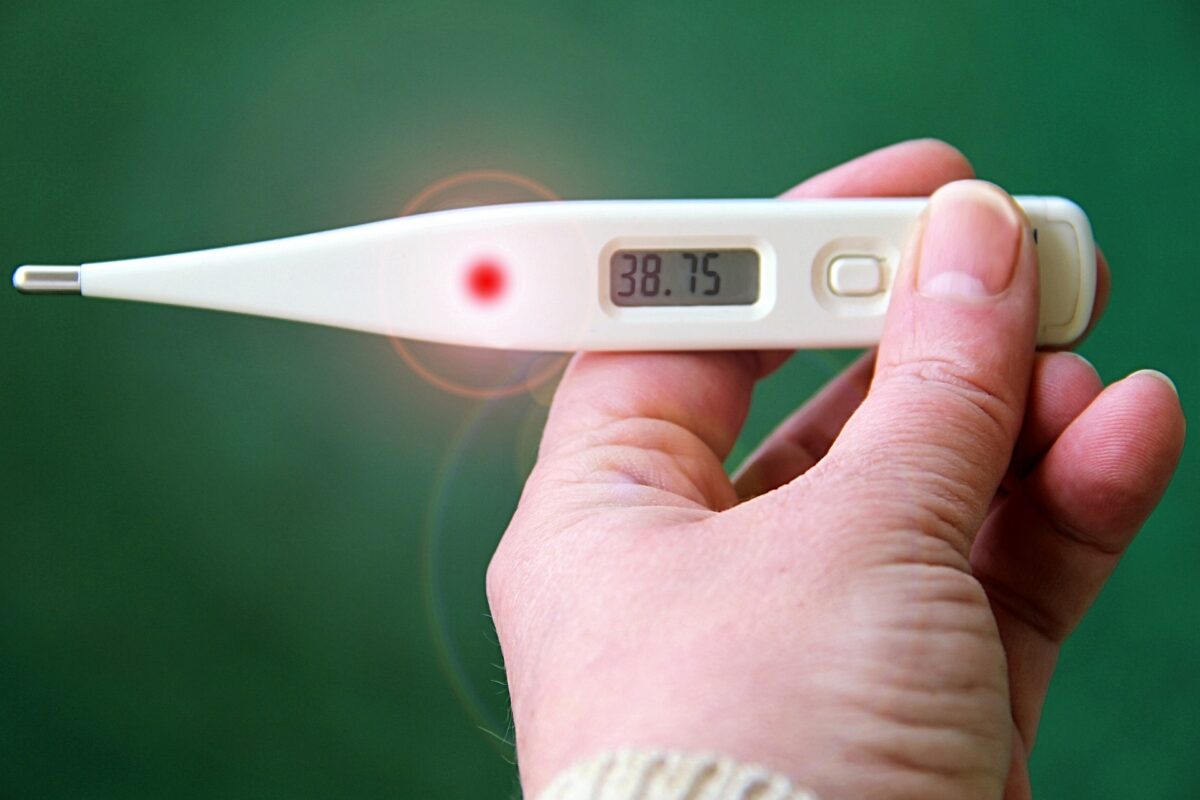
One of the most common symptoms of both colds and flu is fever. A fever itself is not necessarily cause for alarm, but it can be a useful indicator of how serious your child’s illness is. For example, fevers caused by potentially dangerous illnesses like meningitis or sepsis will usually be quite high—usually 103 degrees Fahrenheit (39.4 celsius) or higher. In contrast, fevers caused by minor illnesses like the common cold will usually be lower—between 101 and 102 degrees Fahrenheit (38.3-38.9 celsius). Of course, every child is different, so if you’re ever unsure whether your child’s fever is cause for concern, it’s always best to err on the side of caution and give your healthcare provider a call.

Fever can be beneficial

Fever may actually be beneficial to a child as it is a natural response of the immune system that helps to fight infection. Fever increases the body’s temperature, which in turn helps to kill bacteria and viruses. It also causes the body to release more white blood cells, which helps to fight infection. In some cases, fever may even help to shorten the duration of an illness. For these reasons, it is important not to treat fever too aggressively and instead allow the body to work naturally to combat infection.

Coughing and Sneezing

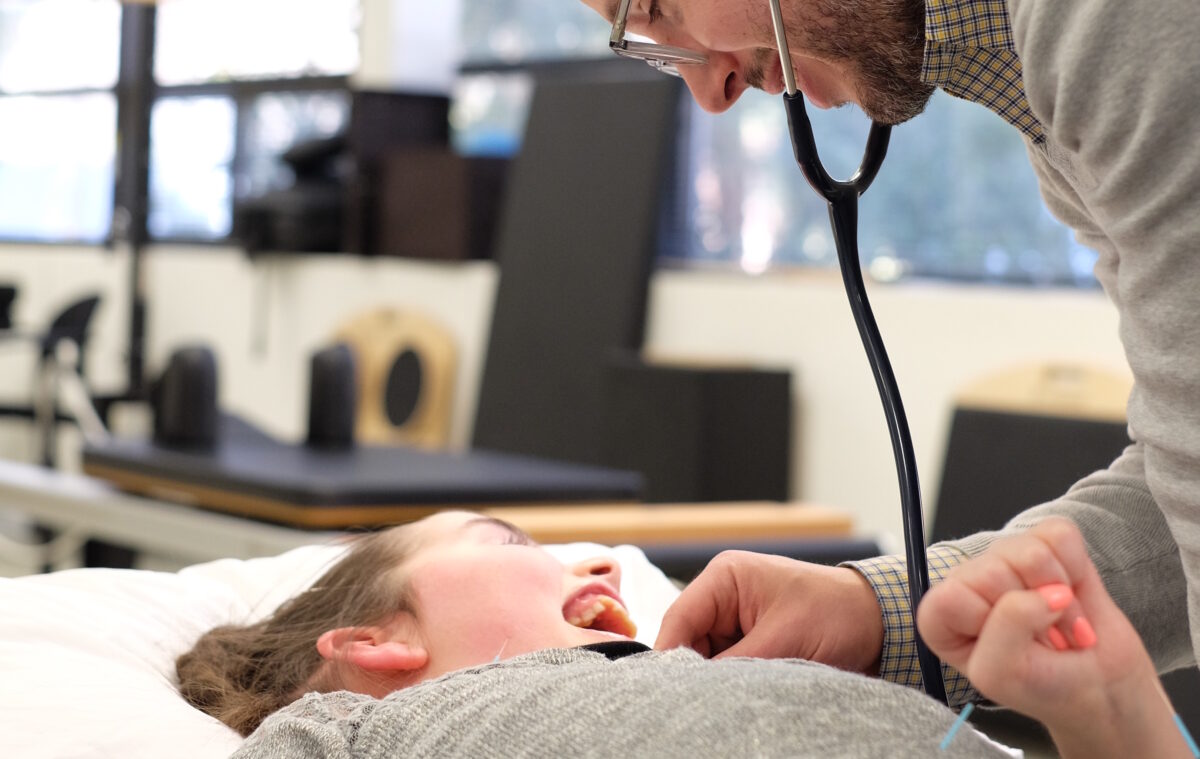
Another common symptom of colds and flu is coughing and sneezing. These symptoms are usually nothing to worry about—they’re just your body’s natural response to trying to get rid of the virus. However, if your child is having difficulty breathing or their cough sounds particularly harsh or wet, this could be a sign of something more serious, like pneumonia. If you’re concerned about your child’s coughing or sneezing, it’s always best to consult with their doctor.
For minor cough and sore throat, there are many effective naturopathic options. Some of my favorites include: Elderberry syrup, honey, propolis, nin jiom herbal syrup, Ivy leaf and thyme based syrups. If a cough/sore throat is particularly bad at nighttime children’s Advil and or Benadryl can help with symptom relief; however, it is a good idea to consult your doctor prior to usage.

Body Aches

Body aches are another common symptom of both colds and flu. Usually, these aches are nothing to worry about and will go away on their own in a few days. However, if your child seems especially uncomfortable or if they’re having difficulty moving around due to pain, this could be a sign that they have something more serious like rheumatic fever. As always, if you’re concerned about your child’s health, it’s best to consult with their healthcare provider.

Conclusion

Cold and flu season can be tough for parents who want to do everything they can to keep their children healthy but don’t want to overreact every time they get a little sniffle. Hopefully this article has given you some guidance on when to take your child to the hospital for a cold or flu. Remember: if you’re ever unsure, it’s always better to err on the side of caution and give your pediatrician a call. They would be more than happy to help you figure out whether or not your child needs medical attention.

learning-164331_1280-1200x794.jpg
07/Nov/2022

According to the CDC, 6.1 million American children have been diagnosed with Attention Deficit Hyperactivity Disorder. Here in Canada the prevalence of ADHD in children is about 5%-9%. If your child has been diagnosed with ADHD, you’re probably wondering what you can do to help them. While there is no cure for ADHD, there are treatments that can help your child focus and succeed. Here are 10 natural treatments for ADHD that really work.

1. Omega-3s

Omega-3 fatty acids are essential for brain development and function. There is a lot of clinical research that supports the use of omega-3 supplements for children with ADHD. One study published in the journal Pediatrics showed that children who took omega-3 supplements had improved symptoms compared to those who didn’t take supplements. Another study, published in the Journal of Attention Disorders, showed that children who took omega-3 supplements had better focus and attention span. These studies suggest that omega-3 supplementation is a safe and effective treatment for ADHD symptoms. You can give your child an omega-3 supplement or increase their intake of fatty fish like salmon, mackerel, and herring.

2. Probiotics

Probiotics are live bacteria that are found in yogurt, sauerkraut, and other fermented foods. They help promote a healthy gut by keeping the balance of good and bad bacteria in check. A study published in the journal Nutrients found that probiotics were able to reduce symptoms of ADHD in children. The study found that the probiotic Lactobacillus rhamnosus was able to improve attention, hyperactivity, and impulsiveness in the children who took it. Another study published in the journal Pediatrics found that a combination of probiotics and prebiotics was able to improve symptoms of ADHD in children. A healthy gut has been linked to better mental health, so probiotics are a great natural treatment for ADHD.

3. Exercise

Exercise is a great way to release energy and improve focus. It also helps improve sleep, which is often an issue for children with ADHD. A study by the University of Massachusetts found that children who exercised for 30 minutes each day had improved focus and less hyperactivity.

4. Caffeine

Caffeine is a stimulant that can help improve focus and concentration. However, it should be used in moderation as too much caffeine can cause side effects like anxiety and irritability. A cup of tea in the morning can potentially help your child focus at school or during homework time. Clinical research has shown that caffeine can help improve cognitive function and memory recall. Additionally, caffeine can help increase energy levels and decrease fatigue. For these reasons, caffeine can be an effective tool for improving focus and productivity. However, it is important to note that caffeine should not be used by children under the age of 12.

5. Limit Screen Time

Screen time includes TV, video games, computers, and phones. Clinical research indicates that screen time can worsen symptoms of ADHD by causing restlessness and impulsivity. In one study, children with ADHD who were limited to 2 hours of screen time per day had improved attention and behavior. Another study found that children who exceeded 2 hours of screen time per day were more likely to have problems with inattention, hyperactivity, and aggressiveness. Therefore, it is important to limit screen time to no more than 2 hours per day for children with ADHD.

6. Get Enough Sleep

Sleep is essential for focus, concentration, and overall mental health. Children with ADHD often have difficulty falling asleep and staying asleep through the night. Establishing a bedtime routine can help your child wind down before sleep and feel more rested during the day. aim for at least 9 hours of sleep per night for children with ADHD.

7. Eat a Healthy Diet

A healthy diet is important for everyone, but it is especially important for children with ADHD. A diet high in sugar and processed foods can worsen symptoms while a diet rich in fruits, vegetables, and protein can improve them. Studies have shown that a healthy diet can help to improve ADHD symptoms. One study found that children who followed a healthy diet had improved focus and attention, less hyperactivity and impulsiveness, and better behavior overall.

8. Drink Plenty of Water

Studies have shown that dehydration can contribute to a decline in cognitive function and overall productivity. In one study, subjects who were mildly dehydrated scored lower on tests of mental performance and vigilance than those who were hydrated. Another study showed that dehydration can cause headaches and fatigue, both of which can lead to decreased concentration. It is therefore important for children to drink plenty of water throughout the day to stay focused and alert.

9. Try Herbal Supplements

Clinical research has shown that some herbal supplements can improve symptoms of ADHD. For example, a study published in the journal Biological Psychiatry found that ginkgo biloba improved attention and processing speed in adults with ADHD. Another study published in the journal Phytotherapy Research found that green tea improved symptoms of ADHD in children. And a study published in the journal Chemistry & Industry found that lemon balm improved focus and attention in children with ADHD.

10. Consider Neurofeedback Therapy

Neurofeedback therapy is a type of biofeedback that uses brain waves to feedback information about attention levels. This information is then used to train the brain to focus better. Neurofeedback therapy has been extensively researched and has been shown to be an effective treatment for ADHD. One study found that children who received neurofeedback therapy showed significantly better attention and behavior than those who did not receive the therapy. In addition, the benefits of neurofeedback therapy were found to last for up to two years after the therapy ended. This makes neurofeedback a desirable treatment for ADHD, as the long-term results are much better than those of medications.

Conclusion:

If your child has been diagnosed with attention deficit hyperactivity disorder (ADHD), you’re probably wondering what you can do to help them cope with the condition. Thankfully, there are many natural treatments that can help improve symptoms without the use of medication. By implementing some (or all) of these treatments into your child’s life, you can help them focus better, sleep better, eat better and feel better .

Shawn-and-Sophie-3-1200x759.jpg
01/Nov/2022

As a mom or dad, you want what’s best for your children. You want them to be happy and healthy, and you want to do everything you can to help them reach their full potential. When it comes to their health, naturopathic care is one of the best things you can do for your kids. Here are 10 reasons why:

1. Holistic Care

Naturopathic care focuses on the whole child, not just the symptoms of whatever condition they happen to be experiencing at the moment. This means that treatment is tailored to the individual child, taking into account all aspects of their health, both physical and emotional.

2. Prevention

Naturopathic care is all about preventing illness before it has a chance to take hold. By teaching kids healthy habits and helping them to develop a strong foundation of wellness, naturopathic doctors can help keep your kid(s) healthy throughout their lives.

3. Natural Medicines

Naturopathic care relies heavily on natural therapies and treatments rather than harsh chemicals or drugs. This is important because it means that there are generally fewer side effects and risks involved with naturopathic care than there are with conventional medical treatments.

4. Safety

Because naturopathic care is so gentle and natural, it’s safe for even very young children. In fact, many parents choose naturopathic care for their babies and toddlers precisely because it is so safe and gentle.

5. Efficacy

Don’t let the gentle nature of naturopathic care fool you—it is highly effective in treating a wide variety of conditions in children of all ages. From colds and flus to chronic conditions like allergies and asthma, naturopathic care can help your child feel better and improve their overall health.

6. Affordability

Because naturopathic care is covered by most insurance plans, it is often more affordable than other forms of medical treatment. This makes it a great option for families on a budget who still want to give their children the best possible care.

7. Convenience

It’s convenient. Naturopathic doctors often offer convenient office hours and locations, making it easy for busy families to get the care they need without having to miss work or school unnecessarily. Additionally, many naturopathic clinics, include ours, offer online scheduling and telemedicine options. This makes access to care even easier!

8. Evidence based

Naturopathic care is based on solid scientific evidence—not just anecdotal evidence or old wives’ tales! This means that you can be confident that the treatments your child receives are backed by research and are proven to be effective in treating a variety of conditions.

9. Education

One of the best things about naturopathic care is that it helps kids learn healthy habits that will last a lifetime. By teaching them how to eat right, exercise regularly, manage stress effectively, and more, naturopathic doctors set kids up for success both now and in the future.

10. Primary Care

In some cases, early intervention with naturopathic care can literally save a child’s life. For example, if your child has a genetic predisposition for heart disease or cancer, starting them on a program of naturopathic prevention could help them avoid ever developing the disease in the first place. Additionally, naturopathic doctors are primary care physicians who can run lab tests and make diagnosis similarly to a pediatrician.

Conclusion

Naturopathic care offers countless benefits for children of all ages. If you’re looking for an alternative to conventional medicine or just want to give your child the best possible chance at good health throughout their life, consider making an appointment with a naturopathic doctor today!
Book a free 15 minute introductory consult 

IMG_6905-1200x1242.jpg
14/Oct/2022

The Top 10 Supplements for Kids’ Health

As a parent, you want what’s best for your child. When it comes to their health, you want to make sure they’re getting all the nutrients they need to grow and thrive. But sometimes, despite our best efforts, kids don’t get all the nutrients they need from their diet alone. That’s where supplements come in.

Multivitamin:

A multivitamin is a supplement that contains a variety of vitamins and minerals. It’s a good way to ensure that your child is getting all the essential nutrients they need, even if their diet is lacking in some areas.
Kids often go through periods where they’re less than eager to eat certain foods. This is a normal stage in the development of taste buds, and starting with a good quality multivitamin will help your child get back on track during this time!
Compliance is the most important thing when it comes to giving kids supplements. If your child will not take their vitamins you might as well throw them in the garbage. It’s important to try a few different brands in order to see if your child has a specific preference. A naturopathic doctor with experience in working with kids can be very helpful in choosing a few options.
Some of my most frequently recommended include: SmartyPants Kids Formula, ND Shake for Kids by Orange Naturals, and Kids Multivitamin Liquid spray by Organika.

Probiotic:

Probiotics are live bacteria that are good for gut health. They can help with digestion and absorption of nutrients, and they can also help boost the immune system.
There are many different strains of probiotics and many of them have specific effects for specific conditions. This is another reason why it is important to consult with a Naturopathic doctor before choosing which product is right for your child. Some of my most recommended brands include: Culturelle, BioGaia, Vita Aid, and Genestra.

Fish Oil:

Fish oil is a good source of omega-3 fatty acids, which are important for brain development and heart health.
Omega-3 fatty acids are important for many aspects of health, including brain development and heart health. Research has shown that omega-3 fatty acids may help improve cognitive function in children, as well as protect against certain conditions such as depression and ADHD.
For example, a study published in the journal Scientific Reports found that children who consumed higher amounts of omega-3 fatty acids had better reading comprehension and short-term verbal memory compared to those with lower intakes. Another study published in BMC Public Health reported that children with higher levels of omega-3 fatty acids in their blood were less likely to exhibit symptoms of depression.
Additionally, studies have shown that consuming adequate amounts of omega-3 fatty acids is important for supporting healthy cardiovascular function in children.
For example, one study published in the American Journal of Clinical Nutrition found that higher intakes of fish oil was associated with improved arterial elasticity in adolescents. Overall, there is strong evidence to support the benefits of consuming omega-3 fatty acids for kids, both for brain development and overall health.
Some brands that I frequently recommend are NutraSea, Honibee, Nordic Naturals and Botanica.

Elderberry Syrup:

Elderberry syrup has long been touted as a natural remedy for fighting off colds and flu in both children and adults. This is due, in part, to the high antioxidant and vitamin content of elderberry. Studies have shown that elderberry can help boost the immune system and shorten the duration of cold or flu symptoms.
For example, one study found that elderberry extract was just as effective at reducing the duration of cold symptoms compared to acetaminophen (a common painkiller). Another study showed that taking an elderberry syrup daily during flu season could reduce the risk of developing illness by up to 58%. Overall, these findings suggest that elderberry may be a powerful tool for reducing the risk and severity of colds and flu in both kids and adults.
I often recommend Sambucol as they have independently researched their product for its efficacy.

Magnesium:

There is a growing body of research demonstrating the benefits of magnesium in certain childhood conditions. In particular, studies have shown that magnesium can help prevent and treat asthma, ease symptoms of irritable bowel syndrome, and even reduce symptoms of anxiety and depression.
Additionally, it has been shown to be effective in reducing the risk of osteoporosis later in life, which makes it an important supplement for children who are still growing. Overall, magnesium appears to be a safe and effective way to promote healthy development and overall wellness in children.
Magnesium is important for the body and it can be hard to know which type or salt would work best. Consult with your Naturopath as they will have experience in this area!

Zinc:

One study found that zinc supplements may help to prevent and treat diarrhea in children, which is a common cause of weight loss and malnutrition. Another study showed that zinc can be effective in reducing the frequency of respiratory infections in children, such as colds and flu.
Additionally, research has demonstrated that zinc can be beneficial for wound healing, particularly in patients with diabetes and other conditions that impair circulation.
Overall, these studies suggest that zinc plays an important role in protecting against certain diseases and conditions of childhood, as well as supporting growth and healthy functioning of the immune system.
It is important to speak with your naturopath about how best use zinc because it can lead other nutritional deficiencies if taken long term.

Propolis Spray:

Propolis is a substance made by bees that has antibacterial and anti-inflammatory properties. Propolis has long been known for its antibacterial and anti-inflammatory properties, which make it an excellent tool for boosting immunity and healing wounds.
A number of studies have shown that propolis can be effective in treating a variety of childhood conditions, including colds and flu, ear infections, and skin irritations.
For example, one study found that children treated with propolis showed significant improvement in symptoms of upper respiratory tract infections, such as coughing and fever, within just 3 days of treatment. The antibacterial properties of propolis also make it an effective treatment for ear infections by helping to eliminate the bacteria that cause these infections.
Finally, propolis has been shown to be effective in treating minor skin irritations like eczema or rashes by reducing inflammation and speeding up the healing process. Overall, these findings highlight the powerful benefits of propolis for children’s health and well-being.It’s great for boosting immunity and healing wounds.
I often recommend the propolis spray by Beekeepers Naturals for sore throats.

Vitamin C:

Vitamin C is an essential nutrient for children because it plays a key role in immunity, tissue repair, and collagen production.
Numerous studies have demonstrated that adequate intake of vitamin C can help protect children from a range of health problems, including common colds and respiratory infections.
Additionally, vitamin C is involved in wound healing, which makes it important for children who are frequently active or injured. Furthermore, vitamin C plays a central role in the production of collagen, which is important for supporting healthy skin and connective tissues throughout the body.
Overall, these benefits make it clear that vitamin C is an important nutrient for childhood development and overall health.
Vitamin C is one vitamin that doesn’t really need to be from a specific brand. The most important thing is to find one your child likes to take.

Vitamin D:

There is a growing body of evidence demonstrating the many benefits of vitamin D for children. Studies have shown that adequate levels of vitamin D can help to improve bone health and prevent conditions like osteoporosis later in life.
Additionally, this crucial nutrient plays an important role in immune function, allowing children’s bodies to fight off illnesses and infections more effectively. Furthermore, vitamin D is involved in numerous cellular processes, helping to regulate cell growth and development, maintain proper organ function, and support overall metabolic health.
Overall, maintaining sufficient levels of this key vitamin is essential for promoting optimal health and well-being in children.
There is a lot of differing opinions when it comes to vitamin d dosing in kids. Therefore it is important to speak with your healthcare provider about dosing for children.

Melatonin:

Studies have shown that melatonin can be helpful for children who have difficulty sleeping or have jet lag. This is because it helps to regulate the body’s sleep cycles, allowing kids to fall asleep more easily and stay asleep longer.
Additionally, there is some evidence that melatonin may help reduce the severity of conditions like ADHD and autism, though more research is needed in this area.
Overall, melatonin is considered a safe and effective option for treating sleep disturbances in children, though it should only be used as directed by a healthcare professional.
I have found that melatonin works best when started at a low dose. When choosing your product try to find one that is a maximum of 1mg per dose.

Conclusion:

As parents, we want what’s best for our children. When it comes to their health, we want to make sure they’re getting all the nutrients they need to grow and thrive. Sometimes, however, kids don’t get all the nutrients they need from their diet alone. That’s where supplements come in. A multivitamin, probiotic, fish oil, elderberry syrup, magnesium, zinc, propolis spray, vitamin C, vitamin D, or melatonin can help fill in any gaps in your child’s nutrition and keep them healthy and happy!

kids-1093758_640.jpg
22/Sep/2018

Cold and Flu season is here! Now that kids are back to school and the season is changing we should start thinking about preventing colds and flu. As a Naturopathic Doctor part of my job is counseling parents on safe and effective ways to treat and prevent colds and flu for the whole family. Here are 5 things that will help prevent colds and flu and can even help to ameliorate symptoms and shorten duration of an active infection.

 

Probiotics

  1. Probiotics

Probiotics help boost the immune system – Studies have shown that probiotics affect immune cells throughout the body. When certain strains of probiotics are introduced into our intestine they help to repair intestinal cells and they boost production of antimicrobial substances. In one study, 326 children aged 3-5 years were randomly assigned to receive, in double-blind fashion, probiotic supplementation. Treatments were given twice per day in divided doses for 6 months, including the winter season. Compared with placebo, the probiotic group had the following results; fever reduction 53-73%, cough reduction 41-62%, decreased runny nose 28-59%, decreased need for antibiotics 68-82%, reduced absence from school 28-32%.
Elderberry

  1. Elderberry

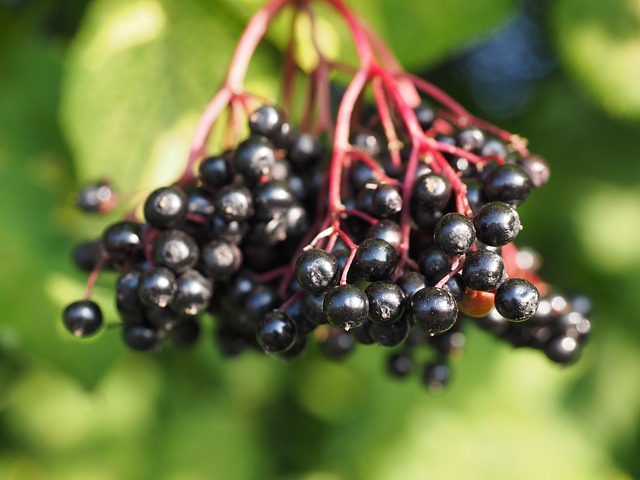
Elderberry extracts inhibit bacteria and viruses – Not only does elderberry syrup taste great, studies have shown that it inhibits the bacteria and viruses associated with common colds and the flu. One study demonstrated that an elderberry liquid extract possesses antimicrobial activity against both streptococci bacteria and influenza viruses. Another study looked at 312 air travellers flying from Australia to an overseas destination.  Those travellers who took an elderberry extract before, during and after travel had fewer colds, less sick days and less symptoms.

Vitamin C

  1. Vitamin C

Vitamin C supports immune cells – Vitamin C is very important for optimal immune system functioning. Vitamin C helps immune cells get to where they need to be, kill pathogens effectively, protect the body from damage and clean up after battling infections. Studies have shown that adequate vitamin C in the blood helps prevent infections, is necessary to fight infections and helps with recovery. The recommended daily intake of vitamin C is 100-200mg/day; however during active infection, the metabolic demand increases and therefore the requirement for vitamin C is likely to be higher. Even in this day and age, vitamin C is the fourth leading nutrient deficiency in North America. Poor diet and increases in free radical exposure due to an unhealthy lifestyle may be contributing factors. Excellent sources of vitamin C are Broccoli, Citrus Fruits and Berries.

Zinc

  1. Zinc

Zinc is essential for immune system communication – The importance of zinc for proper immune function has been well established. Zinc deficiency undoubtedly causes immune system malfunction.  The cells of our body are in constant communication. During infection there is a need for effective communication between immune cells in order to get rid of the “bad guys”.  Communication happens in the form of chemical messengers and enzymes. Zinc is an essential component of these chemicals and enzymes. As with vitamin C, during active infection our requirement for zinc is likely to increase. Studies have shown that Zinc supplementation during infection can shorten the duration of the illness. Excellent dietary sources of zinc include: Meat, Shellfish, Legumes, Nuts and Seeds. Supplementation may be important with a vegan or vegetarian diet.

Vitamin D from Sunlight

  1. Vitamin D

Vitamin D is the supervisor of the immune system –Vitamin D has many functions in the body, and receptors for vitamin D can be found on many different tissues. One important function for vitamin D is in the modulation of our immune system. Studies have suggested that vitamin D is able to both calm down and rev-up the immune system according to what our body needs it to do. This is why Vitamin D is thought to be as important in autoimmune disorders as it is in infections.

Vitamin D deficiency can cause the immune system to behave erratically. Unfortunately in Canada we have one of the highest incidences of vitamin D deficiency in the world. Our primary source of vitamin D is from sunlight and therefore supplementation becomes important especially during the winter months. Studies have shown that there is a higher incidence of upper respiratory tract infections in athletes who are deficient in the vitamin and who train in the wintertime. Supplementation had preventative and symptom reducing effects. Aside from sunlight, some dietary sources of vitamin D are: fortified foods, fatty fish, beef liver, egg yolks and cheese.


Even vitamins and minerals at high dosages can be dangerous, especially in children. It is always recommended to consult with a health care professional, such as a Naturopathic Doctor, before supplementing on your own.


[button size=”btn-large” link=”https://doctorshawn.ca/contact-us/” target=”_blank” ]Book an appointment today![/button]


Leyer, GJ et al. Probiotic effects on cold and influenza-like symptom incidence and duration in children. Pediatrics 2009; 124-179. Walker, WA. Mechanisms of action of probiotics. Clin Infect Dis. 2008; 46 (Suppl2): S87-91.

Curr Opin Gastroenterol. 2011 October ; 27(6): 496–501. doi:10.1097/MOG.0b013e32834baa4d.  Probiotics and immune health Fang Yana and D.B. Polkb,c,d

Elderberry Supplementation Reduces Cold Duration

and Symptoms in Air-Travellers: A Randomized,

Double-Blind Placebo-Controlled Clinical Trial Evelin Tiralongo 1,2, *, Shirley S. Wee 2,3 and Rodney A. Lea 4 Received: 8 February 2016; Accepted: 18 March 2016; Published: 24 March 2016


Krawitz et al. BMC Complementary and Alternative Medicine 2011, 11:16

http://www.biomedcentral.com/1472-6882/11/16

Inhibitory activity of a standardized elderberry

liquid extract against clinically-relevant human

respiratory bacterial pathogens and influenza A

and B viruses Christian Krawitz1†, Mobarak Abu Mraheil1†, Michael Stein2, Can Imirzalioglu1, Eugen Domann1, Stephan Pleschka2*,

Torsten Hain1*


Vitamin C and Immune Function Anitra C. Carr 1, * and Silvia Maggini 2

1 Department of Pathology, University of Otago, Christchurch, P.O. Box 4345, Christchurch 8140, New Zealand

2 Bayer Consumer Care Ltd., Peter-Merian-Strasse 84, 4002 Basel, Switzerland; silvia.maggini@bayer.com* Correspondence: anitra.carr@otago.ac.nz; Tel.: +643-364-0649 Received: 21 September 2017; Accepted: 31 October 2017; Published: 3 November 2017


Biofactors. 2014 Jan-Feb;40(1):27-40. doi: 10.1002/biof.1114. Epub 2013 Jun 27.Zinc signals and immune function. Haase H1Rink L.


Cochrane Database Syst Rev. 2013 Jun 18;(6):CD001364. doi: 10.1002/14651858.CD001364.pub4. Zinc for the common cold.

Singh M1Das RR.


Vitamin D3 Supplementation Reduces the Symptoms

of Upper Respiratory Tract Infection during Winter

Training in Vitamin D-Insufficient Taekwondo

Athletes: A Randomized Controlled Trial Hyun Chul Jung 1 , Myong-Won Seo 2  , Sukho Lee 3 , Sung Woo Kim 2  and Jong Kook Song 2, * 1 Department of Kinesiology, College of Health Sciences, University of Louisiana at Monroe, 700 University

Avenue, Monroe, LA 71209, USA; jung@ulm.edu

2 Department of Taekwondo, College of Physical Education, Kyung Hee University, 1732 Deokyoungdaero, Giheung-gu, Yongin-si, Gyeonggi-do 17014, Korea; smilly1004@khu.ac.kr (M.-W.S.); kswrha@khu.ac.kr (S.W.K.)

3 Department of Counseling, Health, and Kinesiology, College of Education and Human Development,Texas A&M University-San Antonio, One University Way, San Antonio, TX 78224, USA; slee@tamusa.edu* Correspondence: jksong@khu.ac.kr; Tel.: +82-31-201-2708 Received: 2 August 2018; Accepted: 10 September 2018; Published: 14 September 2018


Mechanisms Underlying the Regulation of Innate and

Adaptive Immunity by Vitamin D Ran Wei and Sylvia Christakos *

Received: 25 June 2015 ; Accepted: 15 September 2015 ; Published: 24 September 2015 Department of Microbiology, Biochemistry and Molecular Genetics, New Jersey Medical School, Rutgers, the State University of New Jersey, 185 South Orange Ave, Newark, NJ 07103, USA; weira@njms.rutgers.edu

* Correspondence: christak@njms.rutgers.edu; Tel.: +973-972-4033; Fax: +973-972-5594

dr_shawn

Patient focused integrative health care. Utilizing effective natural approaches designed to be used alone or to compliment conventional medical care.


Information

Address: 225 Duncan Mill Road Toronto, Ontario M3B3K9

Clinic: 416-490-8243

Fax: 416-490-9961

Mon-Sat 10am-3pm

Dr Shawn. All Rights Reserved. Developed by SEOGorillas