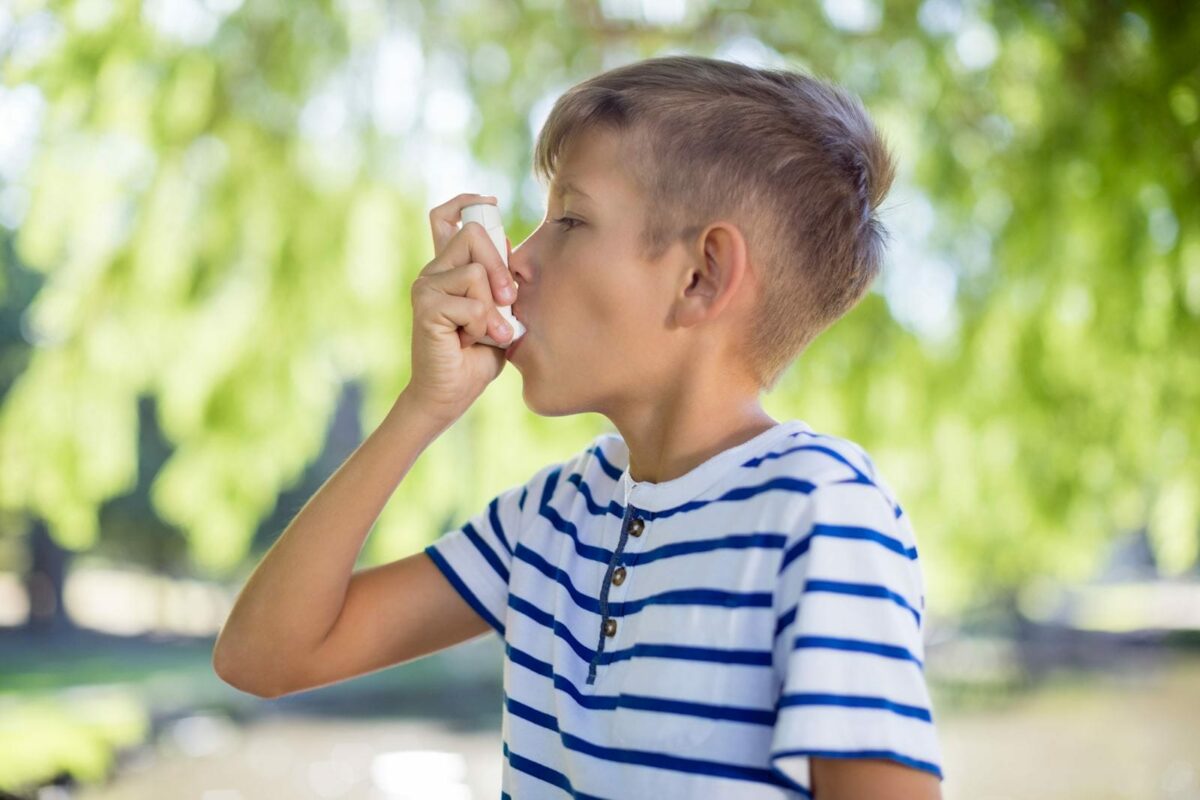
Childhood asthma is a condition that affects millions of children around the world. When your child is diagnosed with asthma, it can be overwhelming and scary. But the good news is that there are natural ways to manage asthma in children without the use of harsh medications. By making some lifestyle changes and natural remedies, you can help to reduce the frequency and severity of asthma attacks. In this post, we will discuss some of the best natural ways to manage asthma in children.

1. Maintain a Healthy Diet
A healthy diet is one of the best natural remedies for managing asthma in children. Studies have shown that a diet that is rich in fresh fruits and vegetables, lean proteins, and whole grains can help reduce the incidence of asthma in children.
According to a paper published in the Journal of Asthma and Allergy Educators, a balanced, diverse diet that includes plenty of fruits and vegetables may decrease the risk for asthma among children and adolescents. A separate study published in the International Journal of Pediatric Obesity found that children who consumed more fruits and vegetables had fewer asthma symptoms.
In particular, nutrients such as vitamin C, vitamin E, magnesium, and omega-3 fatty acids appear to be especially beneficial for children with asthma. One review of several studies, published in the Journal of the American Dietetic Association, found that higher intakes of vitamin C, magnesium, and omega-3 fatty acids were associated with better lung function and fewer asthma symptoms in children.
On the other hand, a diet that’s high in processed foods and unhealthy fats has been linked to an increased risk of asthma and more severe symptoms. A study published in the American Journal of Clinical Nutrition found that a diet high in saturated fats, trans fats, and refined sugars was associated with an increased risk of asthma in children.

2. Get Enough Sleep
Sleep is very important for a healthy immune system and body. Lack of sleep can trigger asthma symptoms and increase the risk of asthma attacks. Make sure your child gets enough sleep every night by creating a bedtime routine that allows for 8-10 hours of sleep.
Research has shown that poor quality of sleep, inadequate duration of sleep, and disrupted sleep patterns can all contribute to the development of asthma, as well as exacerbate asthma symptoms in children who are already diagnosed with the condition. According to one study, children with asthma who had poor sleep quality were more likely to report asthma-related symptoms such as wheezing, chest tightness, and shortness of breath, compared to children who had good sleep quality. Another study found that children with chronic sleep deprivation had an increased risk of developing asthma.
Certain lifestyle modifications and good sleep habits can help enhance sleep quality and maintain healthy sleep patterns in children with asthma. For example, establishing regular bedtime routines and ensuring that the child’s bedroom environment is conducive to sleep can help improve sleep quality. Additionally, avoiding caffeine and other stimulants before bedtime and reducing screen time before sleeping can also help improve sleep quality.

3. Stay Active
Regular physical activity has been shown to have a positive impact on childhood asthma. Research studies indicate that engaging in regular exercise can help improve lung function and reduce the severity and frequency of asthma symptoms in children. Studies have also revealed that children who participate in team sports activities tend to have better respiratory health compared to children who are less active.
Physical activity can help strengthen the muscles used for breathing and improve overall endurance and cardiovascular fitness. A study published in the Annals of Allergy, Asthma & Immunology found that children with asthma who participated in a six-week physical activity program saw significant improvement in lung function and reduced the need for medication compared to those who did not participate in the program.

4. Supplementation
Certain natural supplements have been shown to be effective in reducing the frequency and severity of childhood asthma. Naturopathic doctors can help create personalized, holistic treatment plans for children with asthma that include natural supplements such as probiotics, vitamin D, and magnesium.
Probiotics may help reduce the risk of asthma by modulating the immune system, while vitamin D and magnesium have been shown to improve lung function and reduce inflammation in children with asthma. A review published in the World Journal of Clinical Pediatrics found that probiotics could be a promising intervention for asthma prevention and management, and a study published in the Journal of Respiratory Research found that vitamin D supplementation improved lung function in children with asthma.
Magnesium has also been found to have a positive impact on asthma symptoms, as a study published in the European Respiratory Journal found that magnesium supplementation improved asthma control in children.
5. Keep The Air Clean
Poor air quality can trigger asthma symptoms in children. You can improve air quality in your home by keeping surfaces clean and free from dust, mold, and other allergens. Keep windows and doors open to allow fresh air in. Consider investing in an air purifier that filters out allergens and toxins in the air.
Conclusion:
Asthma in children can be manageable by making some lifestyle changes and using natural remedies. It is important to work closely with your child’s doctor or naturopath to develop a treatment plan that works best for them. Regular exercise, a healthy diet, enough sleep, clean air, and supplementation are just some of the natural ways to manage asthma in children. With proper management, your child can live an active and healthy life.
References:
- Varraso R, Garcia-Aymerich J, Monier F, et al. Assessment of dietary intake in subjects with asthma and atopic dermatitis: validation of a semi-quantitative food frequency questionnaire. Eur J Clin Nutr. 2003;57(6): 814-20. https://www.nature.com/articles/1601621
- Almqvist C, Garden F, Xuan W, et al. Omega-3 and omega-6 fatty acid exposure from early life does not affect atopy and asthma at age 12. J Allergy Clin Immunol. 2007;119(6):1438-1444. https://www.ncbi.nlm.nih.gov/pubmed/17544305
- Wright RJ, Cohen S, Carey V, Weiss ST, Gold DR. Parental stress as a predictor of wheezing in infancy: a prospective birth-cohort study. Am J Respir Crit Care Med. 2002;165(3):358-365. https://www.ncbi.nlm.nih.gov/pubmed/11850319
- Romieu I, Sienra-Monge JJ, Ramírez-Aguilar M, et al. Antioxidant supplementation and lung functions among children with asthma exposed to high levels of air pollutants. Am J Respir Crit Care Med. 2002;166 (5):703-709. https://www.ncbi.nlm.nih.gov/pubmed/12204881
- Sutherland ER, Goleva E, Jackson LP, et al. Vitamin D levels, lung function, and steroid response in adult asthma. Am J Respir Crit Care Med. 2010;181(7):699-704. https://www.ncbi.nlm.nih.gov/pmc/articles/PMC3115833/
- Maslova E, Hansen S, Jensen CB, Olsen SF. Dietary intake and development of atopic eczema in childhood. Pediatr Allergy Immunol. 2012;23(3):206-213. https://onlinelibrary.wiley.com/doi/abs/10.1111/j.1399-3038.2011.01225.x
- Butland BK, Fehily AM, Elwood PC. Diet, lung function, and lung function decline in a cohort of 2512 middle aged men. Thorax. 2000;55(2):102-108. https://www.ncbi.nlm.nih.gov/pubmed/10639558
- Wood LG, Garg ML, Gibson PG. A high-fat challenge increases airway inflammation and impairs bronchodilator recovery in asthma. J Allergy Clin Immunol. 2011;127(5):1133-1140. https://www.ncbi.nlm.nih.gov/pubmed/21281860
- Nutrition recommendations and interventions for diabetes: a position statement of the American Diabetes Association. Diabetes Care. 2007;30 (Suppl 1):S48-S65. https://care.diabetesjournals.org/content/30/Supplement_1/S48
- Szentpetery SE, Kim HJ, Kleinhenz ME, et al. Sleep quality and asthma control and quality of life in non-severe and severe asthma. Sleep Breath. 2012; 16(4):1129-1137. https://link.springer.com/article/10.1007/s11325-011-0636-1
- Guo YF, Liu FS, Lu M, et al. Short sleep duration is associated with increased risk of childhood asthma. J Asthma. 2019;56(7):759-767. https://www.tandfonline.com/doi/full/10.1080/02770903.2018.1492065
- Lu KD, Loh A, Petersen C, et al. Sleep and asthma. Sleep Med Rev. 2019;45:31-40. https://www.sciencedirect.com/science/article/abs/pii/S1087079218300708
- Chee CG, Kim S, Lee KJ, et al. Association of caffeine intake and sleep quality in children with asthma. J Asthma Allergy Educ. 2011;2(5):205-210. https://www.ncbi.nlm.nih.gov/pmc/articles/PMC3577184/
- Calamaro CJ, Mason TB, Ratcliffe SJ. Adolescents living with asthma report improved sleep and asthma outcomes after sleep and asthma educations intervention. J Pediatr Health Care. 2011;25(2):103-109. https://www.sciencedirect.com/science/article/pii/S0891524510003075
- Lang JE, Hossain MJ, Lima JJ. Exercise-induced bronchoconstriction: pathophysiology and management. Expert Rev Respir Med. 2011;5(1):91-101. https://www.ncbi.nlm.nih.gov/pmc/articles/PMC3021425/
- Orenstein DM. Effect of exercise on airway function in cystic fibrosis and asthma. Clin Chest Med. 2000;21(1):147-161. https://www.ncbi.nlm.nih.gov/pubmed/10763022
- Hull JH, Skinner S, Phillips D, et al. Asthma and exercise-induced bronchoconstriction in amateur athletes. Br J Gen Pract. 2003;53(489):638-641. https://www.ncbi.nlm.nih.gov/pmc/articles/PMC1314468/
- Yammine S, Marzuillo P, Israel E. Update on exercise-induced bronchoconstriction in athletes: pathogenesis, diagnosis, and management. Expert Rev Respir Med. 2020;14(1):75-83. https://www.tandfonline.com/doi/abs/10.1080/17476348.2020.1687293
- Freitas Jr LRd, Ribeiro MA. Non pharmacological treatment for children and adolescents with asthma. J Pediatr. 2014;90(5 Suppl 1):S40-7. https://www.sciencedirect.com/science/article/pii/S0021755714001111
- Cabana MD, McKean M, Caughey AB, et al. Early probiotic supplementation for eczema and asthma prevention: a randomized controlled trial. Pediatrics. 2017;140(3):e20163000. https://pubmed.ncbi.nlm.nih.gov/28765378/
- Litonjua AA, Carey VJ, Laranjo N, et al. Effect of prenatal supplementation with vitamin D on asthma or recurrent wheezing in offspring by age 3 years: the VDAART randomized clinical trial. JAMA. 2016;315(4):362-370. https://pubmed.ncbi.nlm.nih.gov/26813209/
- Hill J, Micklewright A, Lewis S, Britton J. Investigation of the effect of short-term change in dietary magnesium intake in asthma. Eur Respir J. 1997;10(10):2225-2229. https://erj.ersjournals.com/content/10/10/2225
More and more families are choosing to adopt a vegan or vegetarian diet. According to a recent study published by the Academy of Nutrition and Dietetics, plant-based diets can meet all nutritional needs for infants and children. However, parents must be mindful about the potential nutritional deficiencies that may arise with these diets. In this blog post, I will discuss the most common nutrient deficiencies that vegan and vegetarian kids might experience and provide tips on how to ensure they get enough nutrients.
1. Vitamin B12
Vegan and vegetarian diets are often low in Vitamin B12 since it is most commonly found in animal products. This nutrient is necessary for healthy brain function, red blood cell production, and DNA synthesis. Fortunately, several vegan sources of B12 are available, including fortified foods such as plant-based milks, cereals, and nutritional yeast. Parents can also give their kids a B12 supplement or buy a vegan B12 supplement spray.
Some common symptoms of B12 deficiency in kids include:
-
Delayed development
-
Weakness and fatigue
-
Pale skin
-
Poor appetite
-
Numbness or tingling in hands and feet
-
Difficulty walking and balancing
-
Behavioral changes
-
Cognitive difficulties
-
Mouth ulcers or sores
-
Anemia (low red blood cell count)
Recommendation: Active Chewable B12 from Genestra provides 1mg of Methyl-B12 in a cherry flavored chewable tablet. It is vegan, gluten, dairy and soy free.

2. Iron
Iron is essential for the production of hemoglobin, a protein in red blood cells responsible for carrying oxygen throughout the body. Iron deficiency is common in vegan and vegetarian kids because plant-based sources of iron (such as beans, lentils, and leafy greens) are not as easily absorbed as animal-derived iron. To increase iron absorption, parents should pair iron-rich foods with vitamin C foods such as citrus fruits. When iron deficiency is present it can be difficult to raise levels sufficiently with diet alone. Iron supplementation can be useful, however, it is important to do so under the care of a family physician or naturopathic doctor. Too much iron can be as problematic as too little.
Some common symptoms of iron deficiency in kids include:
-
Pale skin or lips
-
Fatigue or weakness
-
Irritability or fussiness
-
Poor appetite
-
Decreased growth and development
-
Increased infections
-
Difficulty concentrating
-
Cold hands and feet
-
Brittle nails
-
Headaches
Recommendation: Floradix Liquid Iron is a great tasting vegetarian friendly iron supplement with synergistic B-vitamins.

3. Protein
Many people wonder whether a vegan diet can provide adequate protein for growing kids. The answer is undoubtedly yes! Plants like beans, lentils, tofu, and quinoa pack significant protein. However, it is essential to combine these protein sources with whole grains to create complete protein. It is also okay to offer plant-based protein sources throughout the day and not all at once. Edamame, nut butter, and vegan protein shakes are excellent options. Check out my article on Nutritional Requirements for kids to gain an idea of how much protein your child requires. If a protein deficiency in suspected, using a protein supplement can be an easy way to boost your child’s daily protein consumption.
Some signs and symptoms of protein deficiency in kids include:
-
Edema or swelling in the feet, hands, or belly
-
Slow growth or failure to thrive
-
Loss of muscle mass
-
Delayed wound healing
-
Weak or brittle hair and nails
-
Loss of appetite or difficulty eating
-
Irritability or mood changes
-
Lowered immunity, leading to increased infections

4. Calcium
Calcium is critical for strong bones, muscles, and teeth. While dairy products are the most common source of calcium, vegan kids can get enough calcium from plant-based sources like fortified non-dairy milk, broccoli, bok choy, and kale. Parents can also offer vegan calcium supplements.
Some common signs and symptoms of calcium deficiency in kids include:
-
Delayed development and growth
-
Weak bones that are prone to fractures
-
Muscle cramps and spasms
-
Numbness and tingling in the fingers, toes, or face
-
Weak and brittle nails
-
Tooth decay and other dental problems
-
Fatigue or lethargy
-
Difficulty sleeping
-
Irritability or mood changes
-
Loss of appetite
Recommendation: Calcium Kids Chewable tablets from Progressive Nutritional’s provides calcium and other micronutrients in a great tasting sugar free and vegetarian format.
5. Zinc
Zinc is essential for growth and development, immune system function, and wound healing. Zinc can be found in nuts, seeds, and legumes, and fortified cereals. Parents could also offer vegan supplements to ensure adequate zinc intake. it is important to note that long term zinc supplementation can cause copper deficiency. Therefore, it is important to supplement under the supervision of a physician, nutritionist or naturopathic doctor.
Some common signs and symptoms of zinc deficiency in kids include:
-
Delayed growth and development
-
Poor appetite and weight loss
-
Delayed wound healing
-
Diarrhea and other digestive issues
-
Increased infections
-
Skin rash or dry skin
-
Weakness and fatigue
-
Hair loss
-
Difficulty concentrating or memory problems
-
Mood changes, such as irritability or depression
Recommendation: Kids Liquid Zinc with Vitamin C from Organika is a product I have used with many patients. It provides 3.5mg of zinc with 200mg of vitamin C in a great tasting easy to use liquid format.

Conclusion:
If done right, a vegan or vegetarian diet can provide all the nutrients necessary for growing kids. However, it is essential to be mindful of potential nutrient deficiencies and incorporate nutrient-rich, plant-based foods into meals. If parents choose to offer supplements, it is best to talk to a healthcare professional first. With the right approach, vegan and vegetarian diets can be healthy and satisfying for kids.
FPIES (Food Protein-Induced Enterocolitis Syndrome) is a type of food allergy that affects the gastrointestinal system. It typically affects infants and young children and is characterized by severe vomiting, diarrhea, and dehydration.
The exact cause of FPIES (Food Protein-Induced Enterocolitis Syndrome) is not fully understood, but there are several theories behind its etiology. Here are some examples:

1. Immune system response:
FPIES is thought to be caused by an abnormal immune system response to certain food proteins. Specifically, it is believed that the immune system in children with FPIES overreacts to certain food proteins, leading to inflammation and damage to the gastrointestinal tract.
2. Genetics:
There may be a genetic component to FPIES. Studies have shown that children with a family history of food allergies, eczema, or asthma may be at increased risk for developing FPIES.
3. Delayed immune response:
Unlike other food allergies, FPIES does not involve an immediate allergic response. Instead, FPIES is characterized by a delayed immune response, which can make it difficult to diagnose.

4. Gut microbiome:
The gut microbiome, which is the collection of microorganisms that live in the digestive tract, may play a role in the development of FPIES. Some studies have suggested that an imbalance in the gut microbiome may contribute to the development of food allergies, including FPIES.
5. Environmental factors:
Exposure to certain environmental factors, such as pollution or toxins, may increase the risk of developing FPIES. However, more research is needed to fully understand the role of environmental factors in the development of FPIES.
It’s important to note that while these theories provide some insight into the development of FPIES, more research is needed to fully understand the underlying causes of this condition.
Treatment Approaches
There are several non-pharmacological treatments that have been suggested for managing FPIES symptoms. Here are some evidence-based examples:

1. Elimination Diet:
The most effective non-pharmacological treatment for FPIES is an elimination diet. This involves identifying and eliminating the specific food(s) that trigger FPIES symptoms. Foods that are commonly associated with FPIES include cow’s milk, soy, and grains such as rice and oats.
2. Hydrolyzed Formula:
For infants who are unable to tolerate breast milk or traditional formula, a hydrolyzed formula may be recommended. This type of formula is easier to digest and less likely to trigger FPIES symptoms.
3. Probiotics:
Some studies suggest that probiotics may be beneficial for managing FPIES symptoms. Probiotics can help promote healthy gut bacteria and reduce inflammation in the gut.
4. Hypoallergenic Diet:
In some cases, a hypoallergenic diet may be recommended. This involves eliminating all potential food allergens from the diet and gradually reintroducing them one at a time to identify the specific trigger(s) of FPIES symptoms.

5. Nutritional Support:
Infants and young children with FPIES may experience nutritional deficiencies due to vomiting and diarrhea. Nutritional support may include the use of oral rehydration solutions, intravenous fluids and vitamin/mineral supplementation. These help to manage dehydration, maintain electrolyte balance and nutrient deficiencies.
6. Food Sensitivity Testing:
Food sensitivity testing can be useful in identifying potential trigger foods that may be causing symptoms. While there is no specific test for FPIES, food sensitivity testing can help identify foods that your child may be reacting to. The two most common types of food sensitivity tests are IgE and IgG tests. IgE tests measure the body’s immediate immune response to specific foods, while IgG tests measure the body’s delayed immune response to specific foods. While food sensitivity testing is not a definitive diagnostic tool for FPIES, it can help guide an elimination diet and identify potential trigger foods. However, it’s important to note that food sensitivity testing should be interpreted in the context of a complete medical history and physical examination. It’s important to work with a healthcare professional to interpret the results and develop an appropriate treatment plan. Click here for more information on food sensitivity testing.
Conclusion:
It’s important to note that these non-pharmacological treatments should be implemented under the guidance of a healthcare professional. If you suspect that your child has FPIES, it’s important to seek medical attention and receive a proper diagnosis and treatment plan. Click here to book an appointment.
As parents, our first priority is always to ensure the physical and emotional well-being of our children. However, with the fast-paced and demanding world that we live in, children, too, are often faced with stress and anxiety. Childhood anxiety can present itself in various ways, including excessive worrying, fear of separation, social anxiety, and panic attacks, among others. While medication is often prescribed for children diagnosed with anxiety disorders, more and more parents are seeking natural and holistic ways to manage their child’s anxiety. In this blog post, I will discuss natural solutions for childhood anxiety that parents can consider to ensure that their children thrive, grow, and develop into well-adjusted adults.

1. Exercise
Regular exercise promotes both mental and physical health and is one of the most effective natural solutions for childhood anxiety. Physical activity releases endorphins, also known as “feel-good” hormones, that naturally reduce anxiety and depression. Exercise can also help children distract themselves from stressful situations, providing them with a sense of control and self-esteem. You can encourage your child to participate in activities such as dancing, running, cycling, or team sports. As a parent, lead by example, and make physical exercise a daily family routine.
The American Heart Association and Centers for Disease Control and Prevention recommend that children and adolescents get at least an hour of physical activity per day. Here are some weekly guidelines for exercise for kids and children:
-
Children ages 6-17 should aim for at least 60 minutes of moderate to vigorous physical activity every day.
-
The 60 minutes of activity can be broken up into shorter bouts throughout the day, such as three 20-minute sessions.
-
Activities that strengthen bones, such as running and jumping, should be done at least three days per week.
-
Activities that strengthen muscles, such as push-ups and climbing, should be done at least three days per week.
-
Encourage children to participate in a variety of physical activities, such as team sports, swimming, bike riding, jumping rope, and dancing.
-
Limit screen time to no more than 2 hours per day.
-
Encourage children to be active with friends and family, such as taking walks or playing in the park.
It is important to match the physical activity level to a child’s age and abilities, and to choose activities that the child enjoys. If a child has a medical condition, it is important to consult with a healthcare professional before starting an exercise program.

2. Mindfulness
Mindfulness refers to being present in the moment and not allowing thoughts of the past or future to affect the present. Being mindful teaches children to focus on the moment and deal with their anxious feelings in real-time. These techniques can be easily incorporated into children’s routines and can include deep breathing, meditation, or yoga. You can start by practicing mindfulness techniques together as a family, which can increase your child’s comfort level with these exercises.
Click here to see a list of 50 mindfulness resources for kids and teens.

3. Aromatherapy
Aromatherapy involves using natural plant extracts or essential oils to improve psychological and physical well-being. Aroma oils, such as lavender and chamomile, are known to be calming and relaxing and can help alleviate anxiety symptoms in children. You can introduce aromatherapy to your child by using a diffuser in their room or applying a few drops of essential oils to their pillowcase.
Here are step-by-step instructions on how to use essential oils for anxiety:
-
Choose an essential oil known to have calming effects, such as lavender, chamomile, ylang-ylang, or bergamot. It is important to choose a high-quality oil that is pure and free of additives.
-
Decide how you want to use the essential oil. Essential oils can be used in a variety of ways to help reduce anxiety, including inhalation, topical application, and aromatherapy.
-
Inhalation: Add a few drops of essential oil to a diffuser, or place a few drops onto a tissue or cotton ball and inhale deeply. This method can help reduce anxiety quickly and is great for use before bed.
-
Topical Application: Dilute the essential oil with a carrier oil, such as coconut or almond oil, before applying it to the skin. Massage the oil into the temples, forehead, or the bottoms of the feet. This method can help reduce anxiety gradually over time.
-
Aromatherapy: Add a few drops of essential oil to a warm bath, or mix with Epsom salt and sprinkle into a warm bath. This method can provide a relaxing and calming experience.
-
Repeat as needed. Essential oils should be used as needed or as part of a regular relaxation routine to help manage anxiety symptoms over time.
-
Pay attention to any adverse reactions. Some people may experience allergic reactions or skin sensitivity to essential oils, so it is important to pay attention to any adverse reactions and stop use if necessary.

4. Proper nutrition
Nutrition plays a pivotal role in emotional well-being. A well-balanced diet with ample amounts of fruits, vegetables, and lean protein is essential to help children manage anxiety symptoms. Sugar and caffeine intake must be limited as they can exacerbate anxiety in children. Encourage your child to adopt healthy eating habits and involve them in the cooking process. Modeling healthy eating habits as a parent is a sure way of guiding your child towards optimal wellness. For more information on nutritional requirements for kids check out this article.

5. Time management and good sleep habits
Sleep and time management are crucial natural solutions for childhood anxiety. A lack of sleep increases cortisol levels and anxiety symptoms in children. Establishing proper sleep habits, such as a consistent bedtime routine, including relaxation and winding-down activities, playing relaxing music, and lowering lights can enhance relaxation, quality of sleep, and reduce anxiety symptoms.
In addition, teaching your child time management strategies, including prioritizing tasks, breaking tasks into smaller chunks and setting realistic goals and deadlines, can help ease anxiety and stress brought about by schoolwork and other activities.

6. Supplements
Under the supervision of a Naturopathic Doctor, supplements can be used to safely reduce anxiety in kids and children. Certain herbs, vitamins, minerals and amino acids like Magnesium Glycinate, L-theanine, Vitamin B Complex and 5-HTP are known to be effective in combatting anxiety in kids. Other options include herbal remedies such as lavender oil and chamomile tea.
One study found that Magnesium Glycinate supplementation reduced symptoms of anxiety in children with attention deficit hyperactivity disorder (ADHD) and anxiety disorders. Another study suggested that L-theanine reduced anxiety symptoms in children with Attention Deficit Hyperactivity Disorder (ADHD).
Additionally, Vitamin B-complex supplementation was shown to reduce symptoms of anxiety and depression in children with mood disorders.
There is also some evidence that 5-HTP may be helpful in reducing symptoms of anxiety in children.
A study conducted on lavender oil found that it significantly reduced symptoms of anxiety in children after inhaling the scent. Additionally, a review of multiple studies suggested that lavender oil may be effective in reducing anxiety symptoms in children with autism spectrum disorder.
Chamomile tea has also been studied for its potential anti-anxiety effects in children. A randomized controlled trial found that children and adolescents who consumed chamomile tea for 8 weeks had a significant reduction in symptoms of anxiety compared to those in the control group. Another study showed similar results in children with generalized anxiety disorder who consumed chamomile extract.
Conclusion
Childhood anxiety is a common challenge that many parents face. However, parents don’t have to rely on prescription medication to alleviate anxiety symptoms. By incorporating natural solutions such as exercise, mindfulness, aromatherapy, proper nutrition, and good sleep habits into children’s routines, parents can provide holistic care that nurtures both the physical and emotional well-being of their children. In some cases, supplementation under the supervision of a Naturopathic Doctor may be a good supportive therapy in a complete treatment plan. It’s important to consult with your child’s healthcare provider before trying any new remedies, but with dedication, patience, and love, you can support your child through their anxiety, enabling them to thrive, grow and develop into well-adjusted adults.
Let’s face it, kids love snacks. From chips and candy to popcorn and ice cream, snack time can easily become the most popular meal of the day for many children. But fear not! Eating snacks all day doesn’t have to mean your child’s diet is missing out on important vitamins and minerals necessary for a healthy, balanced lifestyle. Here are some tips on how you can make sure your kids get what they need even when snacking takes center stage.
Be Smart About Snacks
It goes without saying that snacks shouldn’t be replacing meals, but if they do, there are a few things you can do to make sure they’re still providing your child with the necessary nutrition.
Whenever possible, try to opt for more nutrient-dense snacks like fruits and vegetables or whole grain crackers with cheese. Instead of chips or cookies, offer something like trail mix with nuts and dried fruit or yogurt with fresh fruit slices. This ensures that your child gets a variety of nutrients instead of just filling up on empty calories from processed foods.

Portion Control Is Key
Snacks are meant to tide us over until our next meal—not replace them! As tempting as it might be for your kid to scarf down an entire bag of chips in one sitting, it’s important to keep portions reasonable so that their stomach isn’t too full when mealtime rolls around later on. If you’re worried about them going back for second helpings throughout the day, try making smaller individual servings beforehand so that there aren’t any leftovers sitting around tempting them later on.

Get Creative & Have Fun!
Snacking doesn’t always have to be boring—it can actually be a fun way for kids (and adults) to get creative in the kitchen! Try setting aside some time each week for you and your family members to brainstorm healthy snack ideas together using ingredients from local grocery stores or farmers markets. Get creative by playing around with different food combinations and presentation techniques like cutting fruits into shapes or creating fun faces out of veggies! Not only is this a great way to bond as a family, but it also teaches kids valuable skills while helping them develop their own unique tastes in food!

Making sure the diet is balanced
To ensure your child is eating a balanced diet, it is important to take into consideration the five food groups. This includes fruits and vegetables, which should make up about one-third of the food that your child eats; proteins like lean meats, poultry, fish, eggs, beans, peas and nuts; whole grains such as oats, brown rice and quinoa; low-fat dairy products like milk and yogurt; and healthy fats such as olive oil.
Healthy packaged snacks
Healthy packaged snacks for kids can provide a great alternative to the common unhealthy snacks that are often found in the snack aisle. They can be packed with nutrients, vitamins and minerals that are essential for the growing body of young children. Many companies such as Annie’s Homegrown provide organic, gluten-free and all-natural snacks that feature a delicious combination of grains, fruits and veggies. Not only do these snacks provide balanced nutrition, but they are also yummy enough to make even the pickiest eater happy! Plus, they come in fun shapes like stars, animals and even smiley faces that kids can enjoy.
In addition to attractive packaging and tasty flavors, many healthy packaged snacks also contain wholesome ingredients such as quinoa, oats or whole grains. These ingredients have been proven to help maintain blood sugar levels in children who have diabetes or other metabolic conditions. Furthermore, some products may be fortified with extra vitamins A & D which helps support healthy bones and teeth development in kids. With more antioxidants than most other snack foods, you can feel good about providing your child with quality nutrition from these tasty treats!
Moreover, certain companies are committed to sustainability by using recyclable packaging materials and renewable energy sources to produce their goods. For instance Nature’s Bakery is one of the leading brands that strives to protect the environment while providing convenient snacks for families on-the-go. All this makes healthy packaged snacks an excellent choice for parents who want their children to eat nutritious meals with no hassle involved.

Here’s a list of 15 healthy packaged snacks for kids available on amazon:
1. Kind Bars Kids Variety Pack
2. Annie’s Organic Bunny Snacks
3. Nature’s Bakery Fruit & Grain Fig Bars
4. GoGo Squeeze Applesauce on the Go
5. Blue Diamond Nut Thins Crackers
6. KIND Kids Chewy Protein Bars
7. Stretch Island Fruit Snacks
8. Pirate’s Booty Aged White Cheddar Puffs
9. Popcorners Popped Corn Chips in Fun Flavors
10. Genuine Fruit Bites from Bare Snacks
11. Happy Kid Organics™ Strawberry Yogurt and Oats Comfort Square Bars
12. MadeGood Granola Minis Maple Quinoa Clusters
13. Terra Real Vegetable Chips in Sea Salt flavor
14. CLIF Kid ZBar Organic Oatmeal Raisin Bar
15. Gerber® Organic Yogurt Melts Mixed Berry Flavor
Conclusion
Snack time doesn’t have to mean unhealthy habits; when done right, snacking can be an enjoyable part of any healthy diet plan! By being smart about what snacks you give your kids and controlling portions accordingly, you can ensure that their diet is well balanced even when they don’t feel like eating full meals. Plus, getting creative in the kitchen is a great way to teach kids valuable skills while also having fun! So don’t be afraid to let snacks take center stage every now and again—your child’s health will thank you for it!
Do you have a child on the autism spectrum and are looking for ways to help them unlock their potential? If so, you’ve come to the right place. Believe it or not, natural treatments can make a tremendous difference when it comes to helping children with autism reach their full potential.
In this blog post, we’ll explore 10 naturopathic treatments that may provide relief from autism-related symptoms such as anxiety and social challenges. By arming yourself with knowledge about these therapies, you can find solutions tailored specifically to your child’s needs so that they can learn and grow into their best selves!
10 natural treatments for autism spectrum disorder.
Autism spectrum disorder (ASD) is a neurodevelopmental disorder characterized by difficulties with social interaction, communication, and repetitive behaviors. Some people with ASD also have sensory processing issues. Here are a number of natural treatments that can help improve the challenges associated with ASD.
1. Probiotics
Probiotics are beneficial bacteria that help support gut health. Research into probiotics and autism has revealed promising results.
In a randomized, double-blind study, children with ASD were given either active multi-strain probiotic or placebo for 12 weeks. The results demonstrated that the group taking the active probiotic had improved symptoms of autism such as increased social interaction, better communication, improved sleep habits and more positive mood.
Additionally, another study reported that when children with ASD were supplemented with specific strains of Bifidobacterium longum for four months, their symptoms associated with anxiety and depression were significantly reduced compared to those who took a placebo.
Moreover, in a study involving over 100 children with ASD and ADHD, researchers found that supplementation of Lactobacillus rhamnosus was effective in improving certain behaviors observed in these disorders. Taken together these studies demonstrate potential beneficial effects of supplementing probiotics in individuals with ASD.
2. Omega-3 fatty acids
In addition to their role in brain development and function, omega-3 fatty acids also have other potential benefits for people with ASD. Studies have shown that omega-3 supplements may improve focus, behavior, and social skills in children with ASD.
For instance, one randomized controlled trial found that children who took omega-3 supplements had better scores on tests of nonverbal communication and problem solving than those who did not. Other studies have suggested that taking omega-3 supplements can reduce irritability, depression, and anxiety symptoms in people with ASD.
Omega-3 fatty acids may also improve sleep quality in those with autism spectrum disorder. A 2020 study involving 51 participants showed that children given omega-3 supplements had improved sleep compared to those who were given a placebo. Additionally, some research suggests that taking omega-3 supplements may reduce hyperactivity levels in individuals with ASD.
Finally, there is evidence to suggest that omega-3 fatty acids may help to reduce inflammation associated with ASD symptoms. One study evaluated the effects of a fish oil supplement containing both EPA and DHA (two types of omega-3 fatty acids) on biomarkers of inflammation in adolescents and young adults with autism spectrum disorder. The results showed a significant reduction in markers of inflammation after 12 weeks of supplementation compared to baseline measurements.
Overall, the evidence suggests that omega-3 supplements may be beneficial for individuals with autism spectrum disorder by improving communication skills, reducing symptoms such as anxiety and depression, improving sleep quality, reducing hyperactivity levels, and decreasing inflammation associated with ASD symptoms.

3. Essential oils
Research has demonstrated the effectiveness of essential oils in helping to alleviate some of the symptoms associated with ASD, particularly in regards to social interaction and communication.
A study conducted by Zonfera et al (2015) found that lavender oil was effective at improving social interaction and communication in pediatric patients who had been diagnosed with ASD. The study employed a randomized trial design involving 30 children between the ages of 5 and 11. Each participant was evaluated by a team of clinicians, including psychiatrists and psychologists, before being randomly assigned to either an intervention group or control group. The intervention group received four weeks of aromatherapy sessions where they were exposed to lavender essential oil diffused via a vaporizer, while the control group received no exposure. After four weeks, participants in the intervention group showed significant improvements on measures such as verbal communication skills and overall social functioning compared to those in the control group.
A second study conducted by Hanna et al (2017) also found evidence that essential oils may be beneficial for individuals with ASD based on their findings involving lemon balm oil. This randomized clinical trial included 40 children between the ages of 6 and 12 who had been diagnosed with ASD. Participants were divided into two groups; one received lemon balm oil diffused through a vaporizer for four weeks while the other did not receive any exposure to aromatherapy treatments. At the conclusion of this study, participants who had been exposed to lemon balm oil showed improved sensory processing ability compared to those who did not receive treatment. In particular, they demonstrated better ability in responding correctly to auditory-based instructions which is indicative of improved sensory processing skill.
Overall, studies have consistently demonstrated that exposure to certain essential oils may help improve social functioning and sensory processing abilities for individuals with ASD. While further research is needed to explore more specific mechanisms behind these effects, current evidence does suggest that aromatherapy may provide some benefit for people affected by ASD when used alongside other forms of interventions such as cognitive behavior therapy and medications.

4. Music therapy
Music therapy has been widely studied in regards to its effectiveness in helping individuals with Autism Spectrum Disorder (ASD). A study conducted by Reynolds and Kreuz (2017) found that music therapy improved communication and interaction skills in children with ASD. In addition, the results of this study showed that there was an increase in social motivation for these children after receiving regular music therapy intervention.
Similarly, Darrow et al. (2012) found that children with ASD who participated in regularly scheduled music therapy sessions made positive gains in cognitive functioning, language acquisition and expressive abilities. Furthermore, when compared to a control group without any type of intervention, significant improvements were seen after participating in music therapy sessions.
In a more recent study, Berliner et al. (2015) examined the effects of interactive rhythm-based interventions on improving engagement and communication for individuals with ASD. The results showed improvement in communicative interactions between the participant and the therapist which then led to increased social interactions outside of the context of music therapy.
Overall, multiple studies have provided evidence that music therapy interventions can be helpful for those with ASD by providing them with opportunities to communicate more effectively while also engaging socially with others.
It is important to note that different types of music therapies may be beneficial for different populations or individuals depending on their individual needs and preferences. Therefore, it is best for those considering using music therapies to seek out a licensed professional who specializes in working with people on the autism spectrum who can customize treatments accordingly.

5. Magnesium
Magnesium supplementation has been linked to improvements in individuals with autism spectrum disorder (ASD). Studies have shown that magnesium plays a role in neurodevelopment, and can positively influence behaviors reported in those with ASD.
A 2017 meta-analysis of randomized, placebo-controlled trials found that magnesium supplementation reduced repetitive behaviors, hyperactivity, and irritability in individuals with ASD. Their review also showed evidence for improved sleep quality when magnesium was supplemented to children and adolescents with autism spectrum disorder. In addition to these randomized controlled trials, some open label studies suggest that adding magnesium to the diets of those with ASD can improve language abilities and socialization, compared to behavior before supplementation.
A more recent study published this year suggests that supplementing children with autism with magnesium could improve their cognition. The study reported improved scores on the Autism Treatment Evaluation Checklist (ATEC) when participants were given a combination of zinc and magnesium supplements over 10-12 weeks. There was no significant improvement noted for those given the placebo treatment instead. Additionally, results from a survey of parents suggested reduced levels of anxiety, as well as improvements in social interaction when their child had received the combination supplement treatment.
6. Massage
Massage therapy has been shown to have a wide range of benefits for people with Autism Spectrum Disorder (ASD). One interesting study in the Journal of Autism and Developmental Disorders found that massage therapy significantly improved communication and social interaction skills in children with ASD.
The study recorded the positive effects from an 8-week program of massage therapy, noting that participants were able to “establish eye contact for longer periods, initiate more conversations and become more comfortable when interacting with peers.” This is an important finding as improving these skills can help reduce anxiety in children with ASD and make it easier for them to connect with others.
Other studies have investigated the potential stress relief associated with massage therapy for people with ASD. One 2013 study examined how touch therapy through massage could aid in reducing tension and arousal levels among children with ASD. The results showed that after eight weeks of massage frequency, both tension levels and heart rate variability decreased significantly. Moreover, problems such as repetitive behaviors, self-injurious behavior, hyperactivity, emotional outbursts, physical aggression and communication difficulties were also reported to be reduced during the intervention period. Further research into this area has suggested that massage can be beneficial not only for tension relief but also for helping individuals with autism improve their sleep quality and reduce irritability levels.
In addition to its potential benefits associated with stress relief and communication skills, some studies suggest that massage may also be beneficial in improving muscle tone and managing spasticity in individuals living with autism spectrum disorder. A 2010 study published in Complementary Therapies in Clinical Practice looked at how myofascial release (MFR) could be used to improve muscle tone in children diagnosed on the autism spectrum who had significant motor coordination issues due to spasticity or hypotonia. The results showed that after 12 weeks of MFR sessions targeting specific areas of tightness or immobility, there was a significant improvement in muscle tone across all body regions tested. These findings indicate that therapeutic massage could help improve spasticity and overall mobility in individuals living with autism spectrum disorder; this could then lead to increased independence when performing activities such as walking or dressing oneself.
Overall, research shows that massage therapy has a range of potential benefits for people living with autism spectrum disorder; from improving communication skills to reducing tension levels or managing spasticity related mobility issues. As such, therapeutic massage should be considered as part of an integrated care plan when treating individuals diagnosed on the autism spectrum disorder.

7. Taurine
Taurine is an amino acid found naturally in the body and also in many foods such as meat, fish, dairy products, and eggs. Recent research has shown that supplementing with taurine may be beneficial for individuals with autism spectrum disorder (ASD).
Several studies have demonstrated that supplementation with taurine can improve communication skills, reduce repetitive behaviors, and even increase overall functioning in people on the autism spectrum.
A study from the University of California Los Angeles (UCLA) School of Medicine evaluated taurine supplementation on children aged 5 to 14 years old who were diagnosed with ASD. The results indicated that those given taurine showed significant improvements in their communication abilities and a decrease in repetitive behaviors compared to those receiving a placebo.
Another study conducted by researchers at Indiana University School of Medicine found that when a group of children with ASD were supplemented with taurine for 3 months, significant improvements were seen in symptoms such as language deficits, social impairments, and hyperactivity. These findings suggest that taurine may be an effective therapy option for managing some of the symptoms associated with ASD.
In addition to its role in reducing symptoms associated with autism, research has also suggested that supplementing with taurine can help to improve mood and reduce anxiety levels in people on the autism spectrum. A study published in Neurochemical Research found that adolescents given 500mg of taurine per day experienced a significant reduction in levels of anxiety and improved mood after only 6 months. These findings further support the potential benefits of supplementing with taurine for individuals on the autism spectrum as well as other population groups.
8. Diet
Dietary therapies have been studied as a potential treatment for autism spectrum disorder (ASD). Research has demonstrated that special diets may help improve the behavioral symptoms of ASD. For example, one study found that a gluten-free/casein-free (GFCF) diet helped reduce irritability, hyperactivity and stereotypic behavior in children with ASD.
Additionally, a recent Cochrane review concluded that there is evidence to support the use of GFCF diets and other dietary approaches to improve communication, social interaction and overall functioning for individuals with ASD.
Other studies have suggested that diets that are low in carbohydrates and high in proteins may be useful for reducing challenging behaviors in people with ASD.
Personally, I have also seen benefit in food sensitivity testing for children and adults with ASD. Food sensitivities can place an added burden of low level inflammation on individuals with ASD. Once food sensitivities are identified and eliminated improvements in social behaviors and sleep are often seen within a couple of months. For more information on food sensitivity testing click here.

9 Yoga
Studies on yoga and autism have reported promising results. A systematic review of 12 studies on yoga for various forms of autism found that it improved social behaviors, communication skills, and overall functioning in children.
Another study explored the effects of a specialized yoga program designed specifically for children with autism and found that participants showed significant improvements in mood, motor behavior, communication abilities, and overall well-being.
Researchers believe that mindful practices like yoga may be beneficial for individuals with autism spectrum disorder due to their calming effects on the body and mind. For example, a study on mindfulness-based treatments for autism spectrum disorder suggested that practicing breathing exercises and postures can reduce challenging behaviors. Additionally, research has shown that yoga helps improve focus, concentration, sensory integration abilities, communication skills, self-regulation skills, flexibility in activities of daily living (ADLs), as well as overall quality of life for those with autism spectrum disorder.
Moreover, research suggests that yoga can help improve cognitive performance by improving attention levels and reducing stress hormones such as cortisol. One study looked at the effects of a guided meditation therapy program on cognitive functions in children with autism spectrum disorder and found that those who participated experienced improved verbal memory scores and had better working memories than those who did not participate in the program.
Overall, there is an increasing body of evidence suggesting that regular practice of yoga can be beneficial for people with autism spectrum disorder in multiple ways. Practicing mindful exercises like yoga helps reduce stress levels while also providing a calming effect to both mind and body which can ultimately help enhance social interactions as well as communication skills in these individuals.
10 Mindfulness meditation
A study conducted by Sun and colleagues (2015) demonstrated the positive effects of mindfulness meditation on children with autism spectrum disorder. In this study, the participants were split into two groups: those that received mindfulness-based therapy and those that did not. The results showed that those in the mindfulness group had significantly higher levels of attentional focus than those in the control group. Furthermore, their parents reported a decrease in anxiety and depression symptoms in both groups.
Another study published by Zakaria et al. (2013) looked at the effects of mindfulness interventions on adults with autism spectrum disorder. The study found that participants who participated in the mindfulness meditation intervention reported significant improvements in overall well-being and quality of life, as well as reductions in anxiety and depression levels compared to those who did not receive the intervention.
Finally, a systematic review conducted by Sze et al. (2017) examined how mindfulness-based interventions can help improve social functioning among individuals with autism spectrum disorder. The reviewers concluded that there is evidence to suggest that mindfulness may be an effective tool for improving social functioning due to its ability to reduce stress and increase self-awareness. This may then lead to improved interactions with others, including family members and peers, which could ultimately result in more successful social relationships over time.

Naturopathic treatment for your child with autism
There is no one-size-fits-all answer when it comes to choosing the best naturopathic treatment for a child with autism. However, there are a few things to keep in mind when making this decision.
First, it’s important to consult with a qualified naturopathic doctor to get a customized treatment plan that is tailored to the needs of your child. There are many different naturopathic treatments available, and each one may be more or less effective depending on the individual child’s circumstances.
Some of the most common treatments used in naturopathy include dietary changes, supplements, homeopathy and lifestyle interventions. It’s important to work with your doctor to find the right combination of treatments for your child.
Additionally, it’s important to be patient and allow enough time for the treatments to take effect. Many children show positive results within a few months, but some may take longer depending on their individual situation.
Overall, choosing the best naturopathic treatment for a child with autism can be a complex process. However, by working closely with a qualified doctor and being patient, you can help your child achieve improved health and quality of life.
Feeding a picky eater can be stressful and frustrating. It’s hard to know what to do when your child is constantly refusing to eat certain foods. But don’t worry there are a few simple tips and tricks you can use to make meals easier for everyone. Here are 10 tips for picky eaters that may help.
1. Involve children in meal planning and preparation
Involving your child in the cooking process can help them develop an appreciation for food, as well as an understanding of the effort involved in making a meal. This will also give them ownership over their own food choices, allowing them to decide what they’d like to eat on their own terms.
2. Offer small portions of food at first
If your child is hesitant about trying new foods, offer them smaller portions than you would typically serve so that they don’t feel overwhelmed or intimidated by the size of the plate in front of them. You can always provide them with a second helping when they finish their plate.
3. Make sure there are familiar items on the plate
Having a few familiar items on the plate (like macaroni and cheese, veggie sticks, or crackers) alongside unfamiliar ones gives kids something to rely on if they don’t take to the new item right away. this strategy makes it easier for them to take a risk and try it out without feeling uncomfortable or scared off by unfamiliarity.

4. Introduce one new food at a time
When introducing new foods, start with just one item at a time so as not to overwhelm your child with too much change all at once. Having too many new foods can be intimidating or even scary for some children (especially young ones).
5. Let children choose from two or three options when possible
Giving kids choices within reasonable parameters gives them more control over their meals without overwhelming them with too many options. This helps build trust between parent and child around food choices while also allowing kids some freedom in deciding what they’d like to eat each day/mealtime!
6. Offer healthy snacks throughout the day
Eating healthy snacks throughout the day helps maintain blood sugar levels and keeps kids from getting overly hungry during mealtimes. Doing this makes them more likely to try out new foods when presented with those same items during mealtime. Here are some great healthy snack ideas for the kiddos https://www.healthline.com/nutrition/healthy-snacks-for-kids
7. Don’t force feed
Forcing a child to eat something they don’t like can have a long-term negative effect on both the child’s development and relationship with food. It can make them feel helpless, scared and resentful. This can lead to a lack of trust in their parents, as well as the development of unhealthy habits such as overeating in the future.
Furthermore, forcing children to eat certain foods can lead to an aversion or even dislike towards those foods, which could limit a child’s diet and nutrition later on in life. Additionally, it can often lead to children eating too much at one time, which could contribute to weight problems down the line. On top of that, it may also discourage healthy eating habits as kids become more likely to prefer processed or junk foods since they’re seen as more fun or exciting than nutritious options. It would be far better for parents to encourage their children’s desire for healthy food by providing plenty of nutritious options and showing interest in what they’re eating instead of dictating what they consume.
Forcing kids to eat something they don’t want could lead to negative associations with that food item in the future. Instead, focus on offering healthy options and letting your child decide how much he/she wants of each item (within reason).
8. Use positive reinforcement
Positive reinforcement goes a long way towards helping kids learn healthier eating habits; praising good behavior (like trying out new foods) will encourage more of it in future dining experiences!
9. Take time out before meals
Taking five minutes out before meals allows both parents and children time alone together. This helps create an atmosphere conducive towards trying new things without fear of judgment or pressure from either side.

10. Talk about nutrition
Talking about nutrition doesn’t have to be boring; instead it should focus on why certain foods are beneficial (or not). This information can help form more informed decisions when it comes time for dinner!
Some simple nutritional supplements can also take some of the stress off of a period of picky eating. See my article on the top 10 supplements for kids health for more information.
Conclusion
Picky eating isn’t easy but there are ways you can make mealtimes less stressful for everyone involved. From including your children in meal planning and preparation processes all the way through offering healthy snacks throughout the day, these ten tips will help make dinnertime easier while still ensuring that your family eats nutritious meals together. If you feel that you require more counseling, feel free to book an appointment.
Respiratory Syncytial Virus, or RSV, is a common respiratory virus that affects infants and young children. Although RSV is usually mild, it can sometimes lead to more serious health problems, such as pneumonia. There is no specific cure for RSV, but there are several natural treatments that can help relieve symptoms and speed up recovery. Here are 7 natural treatments for RSV:
1. Honey
Honey has long been used as a natural remedy for coughs and other respiratory infections. A 2012 study found that honey was more effective than dextromethorphan, a common cough suppressant, in relieving cough symptoms. Honey can also help thin mucus and make it easier to cough up. For added effect choose Manuka honey. Manuka honey has added antibacterial, antiviral and anti-inflammatory properties. Give your child 1-2 teaspoons of honey at bedtime or as needed throughout the day. Do not give honey to infants under 12 months old.

2. Steam Inhalation
Steam inhalation is a simple and effective way to relieve congestion and coughing associated with RSV. The steam helps thin mucus and makes it easier to breathe. Fill a bowl with hot water and hold your child’s head over the bowl with a towel over their head to trap the steam. Inhale the steam for 5-10 minutes, 2-4 times per day.

3. Humidifier
Running a humidifier in your child’s room can also help relieve congestion by adding moisture to the air. Just be sure to clean the humidifier regularly to prevent the growth of mold and bacteria.
4. Salt Water Gargle
Gargling with warm salt water can help reduce inflammation and swelling in the throat, which can make it easier to eat and drink. Mix 1 teaspoon of salt in 8 ounces of warm water and have your child gargle for 30 seconds 3-4 times per day. Spit the solution out after gargling. Another good option is a saline nasal spray from you local drug store. These products can be helpful in clearing out mucus and reducing inflammation from the upper respiratory tract.
5. Rest
Getting plenty of rest is crucial for helping your child recover from RSV or any other illness. Make sure your child gets plenty of fluids and take them out only when necessary so they can focus on getting better. If your child is having trouble sleeping due to congestion, an over the counter antihistamine or decongestant can be useful in the short-term. With these products you will have to be careful about age appropriate dosing so talk to your medical or naturopathic doctor first.
6. Diet
A diet rich in fruits and vegetables may help shorten the duration of a viral infection. Vitamin C is a nutrient that is known to boost the immune system, and foods like oranges, grapefruits, and broccoli are high in this nutrient. Additionally, zinc is another mineral that is important for immunity and can be found in foods like seafood, beef, and pumpkin seeds. It is important to stay hydrated during a viral infection, so drink plenty of fluids like water, broth, and herbal teas.

7. Immune supporting supplements
There are many safe and effective immune supporting supplements for kids that can help shorten the duration of a viral infection. Some of the most popular and well-researched supplements include vitamin C, zinc, vitamin D, elderberry syrup and probiotics.
Vitamin C is a powerful antioxidant that helps support the immune system. Zinc is also important for immune health, and probiotics are beneficial bacteria that help keep the gut healthy. For more information on these supplements and more check out my post on “5 natural ways to combat cold and flu season for kids”. All of these supplements can be safely given to kids to help them fight off a virus and recover more quickly. Consult with your naturopathic doctor for appropriate dosing.

Conclusion:
RSV is a common virus that affects infants and young children, but there are several natural treatments that can help relieve symptoms and speed up recovery time. Some home remedies for RSV include honey, steam inhalation, salt water gargles, humidifiers, rest, diet and natural supplements. If you think your child may have RSV, be sure to contact their medical or naturopathic doctor right away so they can receive proper treatment.
As a mom or dad, you want what’s best for your children. You want them to be happy and healthy, and you want to do everything you can to help them reach their full potential. When it comes to their health, naturopathic care is one of the best things you can do for your kids. Here are 10 reasons why:
1. Holistic Care
Naturopathic care focuses on the whole child, not just the symptoms of whatever condition they happen to be experiencing at the moment. This means that treatment is tailored to the individual child, taking into account all aspects of their health, both physical and emotional.

2. Prevention
Naturopathic care is all about preventing illness before it has a chance to take hold. By teaching kids healthy habits and helping them to develop a strong foundation of wellness, naturopathic doctors can help keep your kid(s) healthy throughout their lives.
3. Natural Medicines
Naturopathic care relies heavily on natural therapies and treatments rather than harsh chemicals or drugs. This is important because it means that there are generally fewer side effects and risks involved with naturopathic care than there are with conventional medical treatments.

4. Safety
Because naturopathic care is so gentle and natural, it’s safe for even very young children. In fact, many parents choose naturopathic care for their babies and toddlers precisely because it is so safe and gentle.
5. Efficacy
Don’t let the gentle nature of naturopathic care fool you—it is highly effective in treating a wide variety of conditions in children of all ages. From colds and flus to chronic conditions like allergies and asthma, naturopathic care can help your child feel better and improve their overall health.

6. Affordability
Because naturopathic care is covered by most insurance plans, it is often more affordable than other forms of medical treatment. This makes it a great option for families on a budget who still want to give their children the best possible care.
7. Convenience
It’s convenient. Naturopathic doctors often offer convenient office hours and locations, making it easy for busy families to get the care they need without having to miss work or school unnecessarily. Additionally, many naturopathic clinics, include ours, offer online scheduling and telemedicine options. This makes access to care even easier!
8. Evidence based
Naturopathic care is based on solid scientific evidence—not just anecdotal evidence or old wives’ tales! This means that you can be confident that the treatments your child receives are backed by research and are proven to be effective in treating a variety of conditions.
9. Education
One of the best things about naturopathic care is that it helps kids learn healthy habits that will last a lifetime. By teaching them how to eat right, exercise regularly, manage stress effectively, and more, naturopathic doctors set kids up for success both now and in the future.

10. Primary Care
In some cases, early intervention with naturopathic care can literally save a child’s life. For example, if your child has a genetic predisposition for heart disease or cancer, starting them on a program of naturopathic prevention could help them avoid ever developing the disease in the first place. Additionally, naturopathic doctors are primary care physicians who can run lab tests and make diagnosis similarly to a pediatrician.
Conclusion
Naturopathic care offers countless benefits for children of all ages. If you’re looking for an alternative to conventional medicine or just want to give your child the best possible chance at good health throughout their life, consider making an appointment with a naturopathic doctor today!
The Top 10 Supplements for Kids’ Health
As a parent, you want what’s best for your child. When it comes to their health, you want to make sure they’re getting all the nutrients they need to grow and thrive. But sometimes, despite our best efforts, kids don’t get all the nutrients they need from their diet alone. That’s where supplements come in.
Multivitamin:
A multivitamin is a supplement that contains a variety of vitamins and minerals. It’s a good way to ensure that your child is getting all the essential nutrients they need, even if their diet is lacking in some areas.
Kids often go through periods where they’re less than eager to eat certain foods. This is a normal stage in the development of taste buds, and starting with a good quality multivitamin will help your child get back on track during this time!
Compliance is the most important thing when it comes to giving kids supplements. If your child will not take their vitamins you might as well throw them in the garbage. It’s important to try a few different brands in order to see if your child has a specific preference. A naturopathic doctor with experience in working with kids can be very helpful in choosing a few options.
Some of my most frequently recommended include: SmartyPants Kids Formula, ND Shake for Kids by Orange Naturals, and Kids Multivitamin Liquid spray by Organika.

Probiotic:
Probiotics are live bacteria that are good for gut health. They can help with digestion and absorption of nutrients, and they can also help boost the immune system.
There are many different strains of probiotics and many of them have specific effects for specific conditions. This is another reason why it is important to consult with a Naturopathic doctor before choosing which product is right for your child. Some of my most recommended brands include: Culturelle, BioGaia, Vita Aid, and Genestra.

Fish Oil:
Fish oil is a good source of omega-3 fatty acids, which are important for brain development and heart health.
Omega-3 fatty acids are important for many aspects of health, including brain development and heart health. Research has shown that omega-3 fatty acids may help improve cognitive function in children, as well as protect against certain conditions such as depression and ADHD.
For example, a study published in the journal Scientific Reports found that children who consumed higher amounts of omega-3 fatty acids had better reading comprehension and short-term verbal memory compared to those with lower intakes. Another study published in BMC Public Health reported that children with higher levels of omega-3 fatty acids in their blood were less likely to exhibit symptoms of depression.
Additionally, studies have shown that consuming adequate amounts of omega-3 fatty acids is important for supporting healthy cardiovascular function in children.
For example, one study published in the American Journal of Clinical Nutrition found that higher intakes of fish oil was associated with improved arterial elasticity in adolescents. Overall, there is strong evidence to support the benefits of consuming omega-3 fatty acids for kids, both for brain development and overall health.
Some brands that I frequently recommend are NutraSea, Honibee, Nordic Naturals and Botanica.

Elderberry Syrup:
Elderberry syrup has long been touted as a natural remedy for fighting off colds and flu in both children and adults. This is due, in part, to the high antioxidant and vitamin content of elderberry. Studies have shown that elderberry can help boost the immune system and shorten the duration of cold or flu symptoms.
For example, one study found that elderberry extract was just as effective at reducing the duration of cold symptoms compared to acetaminophen (a common painkiller). Another study showed that taking an elderberry syrup daily during flu season could reduce the risk of developing illness by up to 58%. Overall, these findings suggest that elderberry may be a powerful tool for reducing the risk and severity of colds and flu in both kids and adults.
I often recommend Sambucol as they have independently researched their product for its efficacy.

Magnesium:
There is a growing body of research demonstrating the benefits of magnesium in certain childhood conditions. In particular, studies have shown that magnesium can help prevent and treat asthma, ease symptoms of irritable bowel syndrome, and even reduce symptoms of anxiety and depression.
Additionally, it has been shown to be effective in reducing the risk of osteoporosis later in life, which makes it an important supplement for children who are still growing. Overall, magnesium appears to be a safe and effective way to promote healthy development and overall wellness in children.
Magnesium is important for the body and it can be hard to know which type or salt would work best. Consult with your Naturopath as they will have experience in this area!
Zinc:
One study found that zinc supplements may help to prevent and treat diarrhea in children, which is a common cause of weight loss and malnutrition. Another study showed that zinc can be effective in reducing the frequency of respiratory infections in children, such as colds and flu.
Additionally, research has demonstrated that zinc can be beneficial for wound healing, particularly in patients with diabetes and other conditions that impair circulation.
Overall, these studies suggest that zinc plays an important role in protecting against certain diseases and conditions of childhood, as well as supporting growth and healthy functioning of the immune system.
It is important to speak with your naturopath about how best use zinc because it can lead other nutritional deficiencies if taken long term.
Propolis Spray:
Propolis is a substance made by bees that has antibacterial and anti-inflammatory properties. Propolis has long been known for its antibacterial and anti-inflammatory properties, which make it an excellent tool for boosting immunity and healing wounds.
A number of studies have shown that propolis can be effective in treating a variety of childhood conditions, including colds and flu, ear infections, and skin irritations.
For example, one study found that children treated with propolis showed significant improvement in symptoms of upper respiratory tract infections, such as coughing and fever, within just 3 days of treatment. The antibacterial properties of propolis also make it an effective treatment for ear infections by helping to eliminate the bacteria that cause these infections.
Finally, propolis has been shown to be effective in treating minor skin irritations like eczema or rashes by reducing inflammation and speeding up the healing process. Overall, these findings highlight the powerful benefits of propolis for children’s health and well-being.It’s great for boosting immunity and healing wounds.
I often recommend the propolis spray by Beekeepers Naturals for sore throats.
Vitamin C:
Vitamin C is an essential nutrient for children because it plays a key role in immunity, tissue repair, and collagen production.
Numerous studies have demonstrated that adequate intake of vitamin C can help protect children from a range of health problems, including common colds and respiratory infections.
Additionally, vitamin C is involved in wound healing, which makes it important for children who are frequently active or injured. Furthermore, vitamin C plays a central role in the production of collagen, which is important for supporting healthy skin and connective tissues throughout the body.
Overall, these benefits make it clear that vitamin C is an important nutrient for childhood development and overall health.
Vitamin C is one vitamin that doesn’t really need to be from a specific brand. The most important thing is to find one your child likes to take.
Vitamin D:
There is a growing body of evidence demonstrating the many benefits of vitamin D for children. Studies have shown that adequate levels of vitamin D can help to improve bone health and prevent conditions like osteoporosis later in life.
Additionally, this crucial nutrient plays an important role in immune function, allowing children’s bodies to fight off illnesses and infections more effectively. Furthermore, vitamin D is involved in numerous cellular processes, helping to regulate cell growth and development, maintain proper organ function, and support overall metabolic health.
Overall, maintaining sufficient levels of this key vitamin is essential for promoting optimal health and well-being in children.
There is a lot of differing opinions when it comes to vitamin d dosing in kids. Therefore it is important to speak with your healthcare provider about dosing for children.
Melatonin:
Studies have shown that melatonin can be helpful for children who have difficulty sleeping or have jet lag. This is because it helps to regulate the body’s sleep cycles, allowing kids to fall asleep more easily and stay asleep longer.
Additionally, there is some evidence that melatonin may help reduce the severity of conditions like ADHD and autism, though more research is needed in this area.
Overall, melatonin is considered a safe and effective option for treating sleep disturbances in children, though it should only be used as directed by a healthcare professional.
I have found that melatonin works best when started at a low dose. When choosing your product try to find one that is a maximum of 1mg per dose.
Conclusion:
As parents, we want what’s best for our children. When it comes to their health, we want to make sure they’re getting all the nutrients they need to grow and thrive. Sometimes, however, kids don’t get all the nutrients they need from their diet alone. That’s where supplements come in. A multivitamin, probiotic, fish oil, elderberry syrup, magnesium, zinc, propolis spray, vitamin C, vitamin D, or melatonin can help fill in any gaps in your child’s nutrition and keep them healthy and happy!